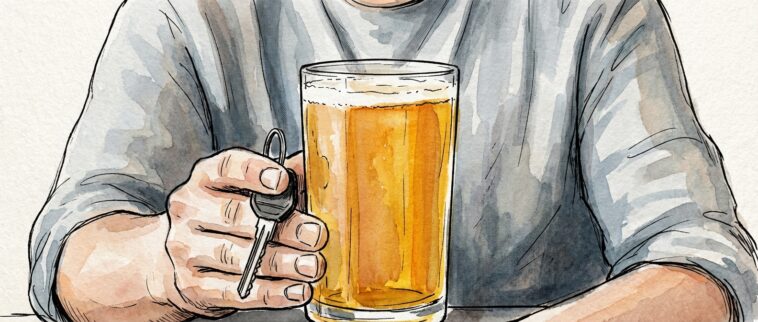

Understanding the First Offense DUI Landscape in Arizona
Over the past few decades, DUI cases in Arizona have presented drivers with many tricky parts and confusing bits, especially when it comes to that nerve-racking first arrest. For many Tempe residents and visitors, the implications are more than just legal jargon—they impact everyday life. This opinion editorial aims to take a closer look at what happens during the first 30 days after a DUI arrest, and it provides a grounded perspective on event-related encounters and the necessary defense strategies. Through a discussion of real-life experiences and an exploration of the small distinctions that matter, this article sets out to help readers make sense of an otherwise overwhelming situation.
While Arizona’s DUI penalties, ranging from varying blood alcohol concentration (BAC) levels to mandatory jail time and fines, might seem intimidating, understanding the process can empower drivers. This guide aims to figure a path through the tangled issues of DUI arrest procedures and the related consequences. We will explore the early stages after an arrest, the importance of preserving evidence, and the need to act quickly for a more favorable legal outcome.
How Immediate DUI Arrests Begin: Observations from Tempe
Events around popular venues such as Mountain America Stadium, Tempe Beach Park, and the Mill Avenue Entertainment District trigger heavy law enforcement attention. During these times, even minor traffic deviations can lead to an arrest. Law enforcement officers become highly alert to small mistakes—such as drifting in a lane or taking a wide turn—and these brief issues are used to justify further testing.
Reports have revealed that many stops originate not from concrete evidence of impairment but from routine observations like lane positioning or even simple post-game traffic conditions. However, it is the combination of these isolated moments that become the basis for further investigation at the scene.
Key points include:
- Vehicle positioning and reaction time as initial red flags
- The subtle details in an officer’s field observations
- How busy event districts become hotspots for DUI stops
- The impact of heavy traffic and adverse environmental situations
Field Sobriety and Breath Test Procedures: A Closer Examination
Once stopped, drivers are often faced with field sobriety tests and portable breath tests that may be influenced by factors such as heat, fatigue, or physical discomfort. It is important to note that a shaky walk or slight imbalance does not definitively prove impairment. In cases of first-offense DUI – particularly in areas near Tempe’s event venues – these tests are sometimes affected by the situation rather than the driver’s actual state.
The following list highlights some of the issues related to these roadside tests:
- Environmental Influences: Heat and lighting can distort the results of certain field sobriety tests.
- Physical Conditions: Fatigue or minor injuries from a long day can mimic loss of control.
- Testing Equipment: Readings from portable breath devices are subject to calibration and intrinsic limitations.
- Timing and Food Intake: The metabolism of alcohol can be altered based on when and what you have eaten.
Understanding the subtle parts of these tests is key for building a robust defense in a DUI case. Evidence obtained through these methods may be challenged based on hidden complexities and timing issues, thereby opening the door to potential reductions or dismissals of charges.
Timeline of Events: The Critical First 30 Days
One of the most important components in a DUI case is what happens in the first 30 days following an arrest. This period is packed with deadlines, legal actions, and pivotal opportunities for a defense attorney to build a case. Delays or missteps in these early days may have lasting consequences, and drivers should prepare accordingly.
Here is a table summarizing typical timelines and actions required during the initial period:
| Time Frame | Action Required | Potential Consequences |
|---|---|---|
| Immediately after arrest | Record the details of the stop; request body and dash camera footage | Preserves evidence that may contest field tests |
| Within 30 days | Request a Motor Vehicle Division hearing and file appropriate notices | Failure to do so may lock in consequences like restricted licensing |
| 30-90 days | Attend mandatory screening and complete any court-mandated requirements | May result in periods of no driving or a restricted permit |
| Post 90 days | Follow up on interlock device requirements or other MVD measures | Ongoing consequences that impact mobility and record |
During this period, drivers are advised to be extremely detail-oriented: preserving receipts, taking photographs, and gathering witness statements are all measures that can help later in court. The objective is to challenge the opposing evidence and present any contextual factors that may show the stop was unjustified or improperly expanded.
Examining Penalties Under Arizona Law: The Fine Points
Penalties for a first DUI offense in Arizona are strict and the associated fines and jail times vary depending on the severity of the intoxication level. The legal framework distinguishes between standard, extreme, super extreme, and other categories of DUI, each with its own set of consequences. Learning the key distinctions in penalty severity can help individuals understand what consequences they may face.
Below is a breakdown of DUI penalties according to different levels of offense:
- Standard DUI: Typically occurs when BAC is at or above 0.08. Penalties often include a short jail stint (usually around 10 days pending screening), fines, and license restrictions.
- Extreme DUI: In cases where BAC is significantly higher (for example, between 0.15 and less than 0.20), the penalties may include longer jail times (around 30 days) and mandatory interlock device requirements.
- Super Extreme DUI: When BAC reaches 0.20 or above, penalties become even more severe, with potential jail terms extending up to 45 days and substantial fines.
- Administrative Process: Separate from court action, the Admin Per Se proceedings can impose a 90-day restriction period that starts 30 days after service, often overlapping with court outcomes.
The mandatory minimum penalties and strict actions by the Motor Vehicle Division (MVD) underline the seriousness of DUI offenses. These imposed measures should be understood as part of a larger strategy to deter impaired driving, yet they also present convoluted legal twists that must be carefully managed.
Key Defense Strategies: Building a Strong DUI Case
When facing DUI charges, especially in a busy legal landscape like Tempe, it is crucial to employ defense strategies that focus on the little details and fine shades of each case. An effective defense may include questioning the reliability of field sobriety tests, scrutinizing the maintenance and calibration records of breath testing devices, or highlighting how environmental factors skewed the results. It is essential to start with gathering as much evidence as possible soon after the arrest.
Some of the most common defense strategies include:
- Challenging the Stop: Arguing that the initial rationale for the stop was based on misleading or ambiguous evidence.
- Questioning Field Tests: Demonstrating that conditions such as fatigue, heat, or minor injuries could have influenced the results.
- Highlighting Test Calibration Issues: Investigating whether the breath testing device was properly maintained or calibrated at the time of the test.
- Proving Alternative Explanations: Presenting circumstances like event traffic, rideshare usage, or even the presence of passengers as mitigating factors.
Each of these tactics involves poking around the hidden complexities of the arrest procedures, and successful defense often hinges on the willingness of the attorney to dig into every detail. Experienced DUI attorneys in the region are adept at pairing scientific evidence with real-world observations to make a convincing case for the client’s innocence or reduced charges.
Event-Related DUI Arrests: The Impact of Special Occasions
A recurring issue in Tempe is how event nights at popular venues or sporting events sometimes lead to staircases of DUI arrests. During these nights, the heavy presence of patrol vehicles and the general buzz of post-event traffic contribute to more stops and subsequent charges.
The dynamics of event-related DUI arrests bring some unique twists and turns:
- High Traffic Volumes: The surge in vehicles can lead to increased scrutiny over subtle driving imperfections.
- Time-Critical Decisions: Officers are more likely to act on minor cues during chaotic post-event periods.
- Suspicious Behavior Under Stress: Drivers may appear more nervous or distracted due to the overwhelming circumstances.
It is during these occasions that defense attorneys often emphasize the larger context of the situation—unusually busy roads, the effects of fatigue, and even the presence of heavy event traffic—to argue that what appeared as suspicious behavior was simply a result of a loaded environment. For many, these kinds of explanations prove crucial when challenging DUI charges that threaten severe penalties.
Practical Steps for a Strong DUI Defense in the Early Days
For anyone facing a first offense DUI, the first few days are super important. It is essential to figure a path that combines prompt legal action, meticulous documentation, and an understanding of the legal timeline. Here are several practical steps that drivers should consider immediately following a DUI arrest:
- Secure Evidence Quickly:
- Request body and dash camera footage from the arresting incident.
- Collect and save receipts, photographs, and witness statements from the night.
- Consult a DUI Defense Attorney:
- Talk to an experienced lawyer who specializes in Arizona DUI cases.
- Ensure that the attorney can quickly review the case details to meet critical deadlines.
- Follow Administrative Procedures:
- Request a Motor Vehicle Division hearing within 30 days.
- Understand the timeline for the issuance of restricted licenses or interlock devices.
- Document Every Detail:
- Keep records of all communication with law enforcement and the court.
- Make note of any environmental or circumstantial factors present during the arrest.
Taking these steps can ensure that no important deadlines are missed and that every little twist in the tale is preserved for your defense. Making your way through the legal maze during this period calls for proactive behavior and caution.
Arja Shah and the Local DUI Defense Approach
In Tempe and the neighboring areas of Scottsdale, Mesa, Chandler, Glendale, and Phoenix, one name has become synonymous with strategic DUI defense: Arja Shah. With a proven track record in over 3,000 wins spanning nearly two decades, Shah’s approach emphasizes the need to work through the case details quickly, leveraging everything from body cam footage to dispatched logs and calibration records.
Her methodology includes the following key elements:
- Rapid Evidence Gathering: Prompt collection of all available data from the arrest scene.
- Scientific Scrutiny: A thorough examination of the scientific validity behind portable breath and blood tests.
- Local Practice Expertise: Utilizing local courtroom relationships and knowledge of Arizona law to push for favorable outcomes.
- Personalized Attention: Offering individualized strategies to help clients navigate the stressful early days post-arrest.
This approach, blending quick action with detailed analysis, is representative of many effective DUI defense cases in the region. Articles and client testimonials have repeatedly highlighted how these efforts have not only reduced charges but in some cases resulted in full dismissals.
Addressing the Emotional and Logistical Strains
Beyond the legal pitfalls, a DUI arrest presents several nerve-racking personal and emotional challenges. The impact on one’s career, personal relationships, and daily routines can be severe. It is super important to manage these issues alongside the legal response.
Here are some suggestions for addressing the emotional and logistical strains accompanying a DUI arrest:
- Stress Management: Consider professional counseling or support groups that understand the blend of personal upheaval and legal challenges.
- Stay Informed: Remain updated on all upcoming legal dates, administrative hearings, and court mandates to avoid unexpected surprises.
- Community Support: Lean on friends, family, and community resources. Sometimes local advocacy groups provide free advice and resources for those facing DUI charges.
- Organizational Planning: Develop a structured timeline for appointments, evidence collection, and legal consultations. Maintaining a calendar can help ensure that every necessary step is followed.
Addressing these emotional aspects is just as critical as understanding the hidden complexities of DUI procedures. A balanced approach can contribute significantly to a person’s overall ability to recover from such an incident.
Comparative Insights: DUI versus DWI in Arizona
A common source of confusion for many drivers lies in the difference between DUI, DWI, and OUI. Although these terms are often interchanged in conversation, each carries its own subtle distinctions under Arizona law. Understanding these slight differences can be essential for effectively confronting the charges.
Consider the following key points:
- DUI (Driving Under the Influence): The term typically applies when a person is found to be under the influence of alcohol or drugs, affecting their driving ability.
- DWI (Driving While Intoxicated): Often used interchangeably with DUI, this can sometimes denote a slightly higher level of impairment or emphasize the act of intoxicated driving.
- OUI (Operating Under the Influence): A term which might be used in certain regions to stress that the driver is operating any vehicle while impaired.
While the differences might seem fine and nuanced, they affect how law enforcement and courts ultimately proceed with each case. It is therefore imperative to be fully informed of any local terminology used in your specific jurisdiction.
Preparing for a Hearing: What to Expect at the MVD
For many first-offense DUI cases in Arizona, the administrative hearing through the Motor Vehicle Division (MVD) is a critical juncture. During this hearing, the officer’s evidence, test results, and the nuances of the arrest procedures are scrutinized. A well-prepared defense can encourage the board to recommend a reduced penalty or the option of a restricted license rather than a complete suspension.
When preparing for an MVD hearing, consider these essential points:
- Documentation: Bring all evidence, including receipts, photographs, and any video recordings from the arrest event.
- Legal Representation: If possible, have your defense attorney attend the hearing to advocate on your behalf.
- Contesting Evidence: Be prepared to question the calibration and maintenance records of the breath testing equipment intentionally.
- Personal Explanation: Offer a clear explanation of any mitigating factors that led to your observed behavior during the arrest.
These steps are not only critical but can also help demystify the process. Being well-prepared for the hearing helps reduce the overwhelming feeling that so often accompanies these proceedings.
The Role of Evidence in Forging a Strong Defense
Evidence can often make or break a DUI case. When a driver is charged, it is the hidden complexities and personal circumstances that may ultimately decide the direction of the case. Reliable documentation—from body cam footage to dispatch logs—can provide a counter-narrative to the allegations.
Key types of evidence include:
- Video and Audio Recordings: Dash cam and body cam footage can verify if the stop was justified.
- Officer Reports: Detailed reports that may include observations of environmental factors or the condition of the driver.
- Calibration Records: Maintenance logs for breathalyzer devices that could hint at possible errors in the test readings.
- Personal Testimony: Witnesses who can provide context about the driver’s condition and behavior at the time of the incident.
By assembling this bulk of evidence, the defense can poke around and find inconsistencies in the state’s case. This organized approach often positions a defense attorney in a better stance to argue for reduced penalties or complete dismissal.
Essential Considerations for Long-Term DUI Repercussions
Beyond the immediate legal ramifications, a DUI conviction can affect one’s life in many ways. Long-lasting consequences may include difficulties in securing employment, obtaining professional licenses, or even challenges in personal relationships.
Some of the key long-term impacts are outlined below:
- Driving Record and Insurance: A DUI conviction may lead to a permanent mark on driving records, causing high insurance premiums and limited driving privileges.
- Employment Opportunities: Certain careers and professional licenses may require clean driving records or adherence to strict moral standards, affecting job prospects.
- Social and Familial Impact: The stigma surrounding a DUI conviction can strain personal relationships and community ties.
- Legal Record: Even if charges are reduced, the presence of a DUI on one’s record may influence future legal proceedings and sentencing in subsequent cases.
When considering these long-term challenges, it becomes crystal clear that early intervention, proper legal support, and proactive defense are super important. A comprehensive strategy, which also looks after one’s personal well-being, needs to be adopted right from the start.
Insights for Families and Friends: What to Do When a Loved One Faces DUI Charges
It is not only the individual who faces a DUI charge that needs to act swiftly—friends and families also play a critical role in support. When someone you care about is dealing with a DUI arrest, the situation can be both trying and tense. Equipping yourself with a basic understanding of the legal process can help you offer better support.
Consider the following suggestions:
- Encourage Professional Help: Advise your loved one to consult a knowledgeable DUI defense attorney immediately after the arrest.
- Stay Organized: Help maintain a clear record of events, communications, and legal deadlines.
- Provide Emotional Support: Offer empathy and understanding; a DUI arrest is not just a legal crisis but a deeply personal one too.
- Educate Yourself: Familiarize yourself with the local DUI laws and administrative procedures. This knowledge can be a huge asset when navigating challenging moments.
Families who stand by their loved ones can alleviate some of the stress associated with these nerve-racking circumstances. With united support, the process may feel a little less overwhelming.
Weighing the Costs: The Financial Impact of a DUI Case
One cannot ignore the very real costs associated with a DUI arrest. Legal fees, increased insurance premiums, and mandatory court-ordered programs accumulate quickly and may add a heavy financial burden. It is vital for defendants and their families to understand these implications before they spiral further out of control.
Areas to consider include:
- Legal Representation Fees: High-quality legal advice and aggressive defense strategies require investment.
- Insurance Costs: A DUI conviction typically leads to significantly increased car insurance rates.
- Administrative Fines and Court Fees: These necessary expenses add up quickly when processed alongside the costs of other mandated programs.
- Miscellaneous Expenses: Costs related to obtaining evidence, such as private testing, or the installation of interlock devices may also come into play.
This table summarizes the primary financial factors:
| Expense Category | Explanation |
|---|---|
| Legal Fees | Costs linked to hiring a defense attorney and related legal services. |
| Insurance Premium Increases | Higher rates resulting from a DUI conviction on your driving record. |
| Administrative Fees | Mandatory fines and fees imposed by the court or the MVD. |
| Remedial Costs | Expenses for treatment programs, interlock devices, or other court-ordered measures. |
Recognizing these costs early on not only prepares defendants financially but also underscores the importance of resolving the legal matter efficiently and effectively. It becomes a pressing issue to sort out, as every delay can compound these financial challenges.
Final Thoughts: Preparing for the Road Ahead
Although a DUI arrest in Arizona can shake even the calmest person, it is important to remember that every challenging moment offers a chance to get into the details and learn how to better protect your future. The road following a DUI arrest is layered with regulatory twists and turns, but by understanding the legal process—from the initial stop to the hearing at the MVD—and by taking swift, organized action, a defendant can significantly improve their case outcome.
Whether you are dealing with event-related arrest complications, questioning the validity of field sobriety tests, or seeking ways to mitigate long-term consequences, the key lies in rapid response and professional legal guidance. Working through each of these steps with clarity and caution is essential for making informed decisions.
Ultimately, the journey through a DUI case is not only about facing immediate penalties but also about planning for a more secure future. Embrace the support of legal professionals, lean on family and community ties, and remain detail-focused to chart a course that minimizes the lasting impact of these charges.
As we consider the fine points of DUI defense in Arizona, it is clear that every measure taken in the early days—from evidence collection to legal consultation—is super important. With a proactive strategy and a commitment to addressing every subtle part of the process, individuals can work towards preserving not just their driving privileges, but their overall future.
For anyone facing the challenges of a first-offense DUI, remember: you are not alone in this journey. Engage with professionals who are experienced in the local legal landscape, and equip yourself with the necessary tools to put forward the best possible defense. The legal system, with all its tangled issues and subtle twists, might be intimidating, but with the right guidance, you can find your way through it.
Read more about this topic at https://arjashahlaw.com/dui-defense/first-offense-dui-first-30-days/
Related articles you might like
DUI Penalties and Consequences: What You Need to Know
Missouri DUI Laws & Penalties | 2025 DUI Charges Guide