National Guard Deployment: A Legal and Political Perspective
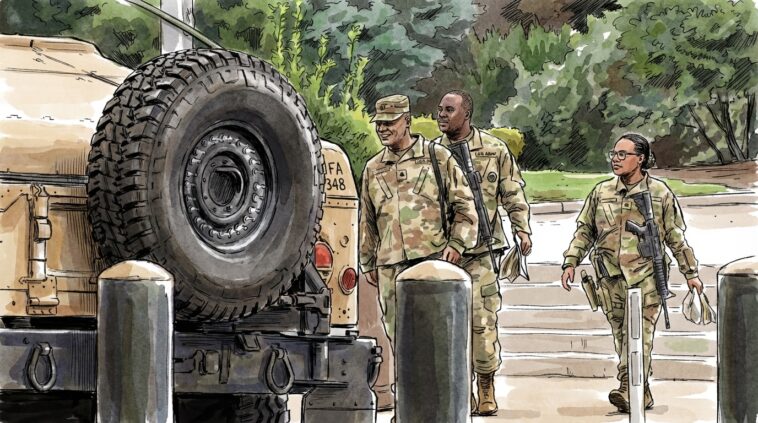
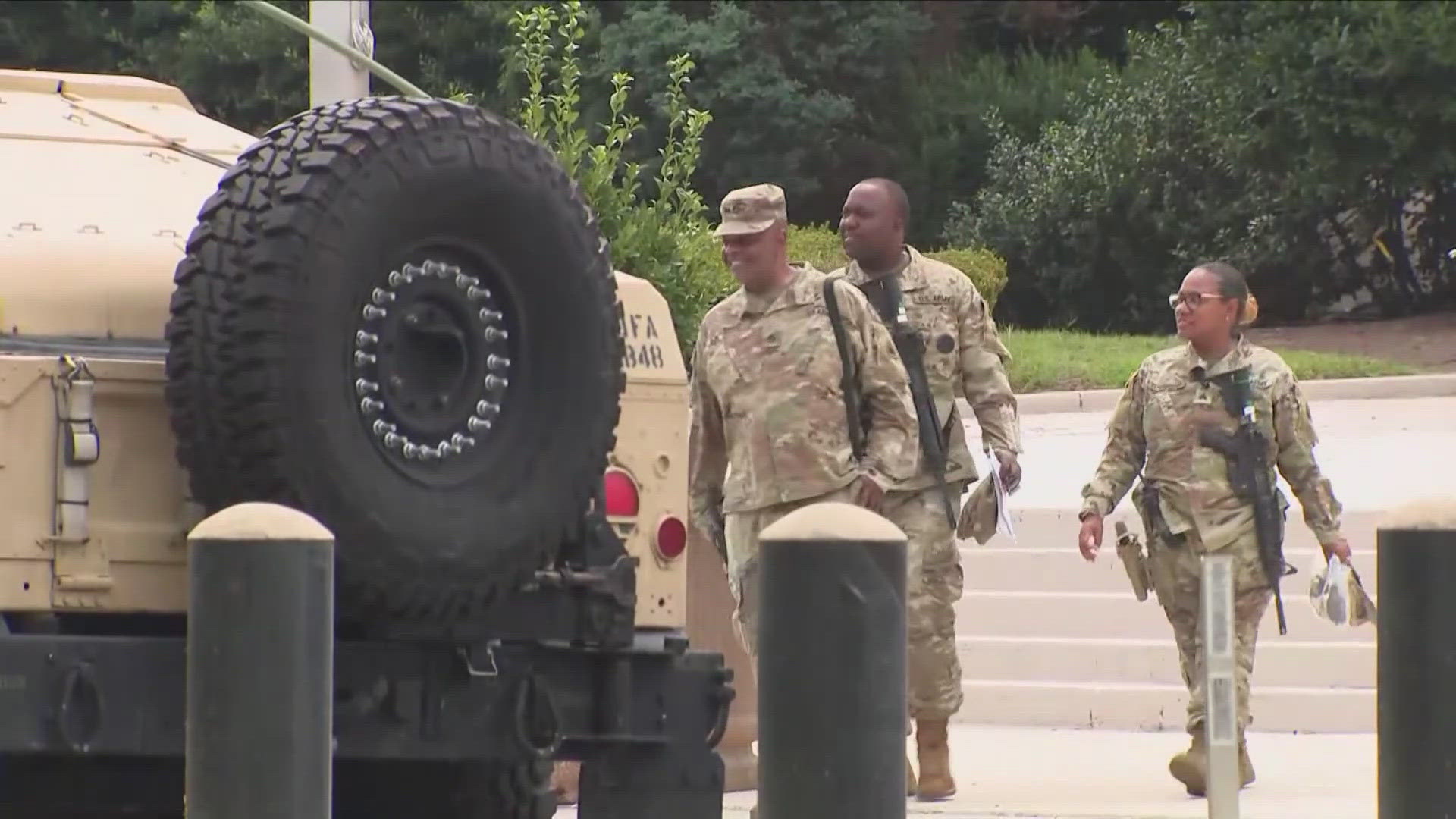
The ongoing debate over the extended deployment of National Guard troops in Washington, D.C. brings a host of legal, political, and constitutional considerations to the forefront. Recently, the District Attorney General (DC AG) filed a lawsuit aimed at ending the extended deployment orders that see National Guard forces operating well into November. This editorial takes a closer look at the situation, examining the tangled issues and subtle details surrounding the deployment extension, and offering an opinion on its broader implications.
The situation is not merely about troop movements; it also touches on a number of constitutional principles, the roles and responsibilities of executive authorities, and the relationship between local and federal powers. As the issue continues to evolve, there is a need for a balanced perspective that weighs the importance of public safety against potential overreach of authority.
Understanding the Legal Landscape of National Guard Deployments
At the heart of the matter is a legal challenge against the deployment extension of National Guard troops. The DC AG’s lawsuit argues that continuing the presence of these troops in the nation’s capital beyond their originally intended term could violate legal boundaries. In this context, it is essential to take a closer look at the key legal principles and statutory limits that guide military deployments in civilian spaces.
Historical Precedents and Legal Challenges
To fully appreciate the current debate, one must dig into the historical precedents surrounding the use of National Guard forces in domestic settings. Over the years, various administrations have deployed the Reserve components of the military to ensure public safety during periods of unrest or in emergency situations. However, each deployment has been accompanied by legal challenges that highlight the fine points of balancing security with civil liberties.
Some of the notable legal challenges include:
- Jurisdictional Disputes: Lawsuits often question whether an extended deployment falls within the statutory and constitutional limits of executive power.
- Separation of Powers: Legal debates have long examined whether decisions made solely by the executive branch without sufficient consultation or legislative scrutiny can be justified.
- Civil Liberties: The presence of armed forces in public spaces raises concerns about the impact on individual rights and freedoms.
These legal challenges force government officials and legal experts to figure a path through tricky legal parts, weighing the benefits of enhanced security against the potential for overstepping constitutional rights.
Political Ramifications of Extended Deployments
The extension of the National Guard’s deployment has resonated deeply within political circles. As politicians and pundits weigh in, the debate is loaded with strong opinions. On one hand, supporters of the extension argue that it is essential for maintaining order and ensuring public safety during uncertain times. On the other, opponents view the extension as a misuse of federal power, potentially undermining local authority and eroding citizens’ trust in government institutions.
Key Political Arguments and Positions
Several arguments have emerged in the political discourse over this extended deployment. Some of the key points include:
- Security Versus Liberty: Proponents maintain that in times of heightened security risks, a strong presence of National Guard troops is a super important measure. Critics, however, caution that this approach may suppress civil liberties and give the appearance of a military state.
- Executive Overreach: The lawsuit by the DC AG underscores concerns that the executive branch might be overstepping its authority, especially if such decisions are made without adequate legislative oversight or public debate.
- Local Autonomy: Washington, D.C., while unique in its federal status, has its own political landscape. Local authorities and citizens worry about the long-term impact of a continued military presence on their community’s identity and self-governance.
These political arguments reflect a tension that is both full of problems and riddled with tension. Whether one sees the deployment as a necessary step for security or as an infringement on rights, there is little consensus among policymakers and citizens alike.
Constitutional Considerations and the Role of the Executive
A central question undergirding this debate is the extent of the executive branch’s authority in deploying military forces for domestic purposes. The U.S. Constitution sets forth a system of checks and balances intended to prevent any single branch of government from wielding too much power. However, the unique role of the President—and by extension, other federal officials—in matters of national security often creates a fine line between authoritative action and potential overreach.
Balancing Act: Executive Orders and Legislative Oversight
When legal decisions like the current lawsuit arise, they bring into focus the critical discussions about how executive orders should be implemented and supervised. Here are some essential points to consider:
| Aspect | Consideration |
|---|---|
| Executive Authority | The President has significant power to enact measures that deal with national security; however, this power is not without limits, especially when it impacts the civil arena. |
| Legislative Role | Congress holds the key to making laws and ensuring that executive actions do not stray from constitutional boundaries. |
| Judicial Review | The courts play a crucial role in ensuring that any executive measures are in line with the Constitution, serving as a counterbalance to unchecked personal judgment. |
In this context, the lawsuit filed by the DC AG can be seen as an attempt to reassert the importance of judicial oversight in ensuring that executive decisions are both justified and legally sound. The debate continues as to whether such deployment extensions are managed through proper channels or whether they are taken as a shortcut around essential legislative processes.
Impact on Public Trust and the Citizenry
The extended presence of National Guard troops in Washington, D.C. does not happen in a vacuum. For residents and local businesses, the decision has meaningful implications for everyday life and public trust in government. Balancing community safety with personal freedoms is a challenge replete with delicate bits that require careful consideration by all stakeholders.
Concerns Among Local Communities
The citizens of Washington, D.C. have voiced a mixture of concerns and support regarding the extended deployment. Among the key issues are:
- Public Safety vs. Intimidation: While many understand that having a security presence can be reassuring during tumultuous times, others worry that a heavy military presence could lead to an intimidating environment.
- Economic Impacts: Local businesses, particularly those in downtown areas, are cautious about the potential economic effects that a persistent military presence can have on commerce and tourism.
- Trust in Institutions: Repeated instances of high-profile legal challenges and contentious executive actions could erode the public’s confidence in government, making it harder for officials to manage crises effectively.
These concerns underscore the nerve-racking challenges of finding a balanced approach that secures public safety without sacrificing the freedoms and trust inherent in a democratic society.
The Role of Litigation in Shaping Policy
The lawsuit initiated by the DC AG is a critical means of challenging the extended deployment on legal grounds. Litigation in cases like these serves not only to question the legality of executive actions, but also to define the limits of government power in a democratic society.
How Lawsuits Influence Governmental Policies
There are several ways in which legal challenges can shape the decisions that govern national security measures:
- Clarifying Legal Boundaries: Court rulings can set important precedents that clearly define what is legally and constitutionally permissible when it comes to using military forces on domestic soil.
- Accountability: Litigation provides a mechanism for holding government officials accountable, ensuring that any decision that affects civil liberties is subject to judicial scrutiny.
- Public Discourse: A high-profile lawsuit amplifies public debate, encouraging citizens to engage in and understand the issues at stake. This heightened awareness can lead to more informed discussions about national security and government authority.
From managing your way through political debates to making your way through legal labyrinths, litigation like the DC AG’s lawsuit opens up a critical avenue for reassessing executive decisions. It forces a re-evaluation of whether extended deployments are a necessary measure for public safety or an overextended executive maneuver that skirts legislative intent.
National Guard: Policy Implications and Future Considerations
Beyond the immediate legal challenge, the debate over the National Guard deployment raises fundamental questions about the role of military forces in domestic affairs. In weighing the benefits of an increased security presence against the potential for governmental overreach, policymakers and citizens alike must grapple with several key policy implications.
Key Questions for Policymakers and Stakeholders
As we take a closer look at the broader implications of extended National Guard deployments, several critical questions emerge:
- Policy Consistency: Is there a clear, consistent policy framework that governs the deployment of military forces in domestic settings, or are these decisions made on a case-by-case basis?
- Checks and Balances: What role should the legislative and judicial branches play in checking the decision-making powers of the executive, especially when those decisions affect public space and civil liberties?
- Future Precedents: How will current legal challenges and policy decisions shape the future use of the National Guard during times of crisis or political uncertainty?
Addressing these questions is not off-putting or overwhelming for those dedicated to protecting constitutional rights. Rather, it is a necessary exercise in finding your way through the twists and turns of government policy and practice.
Comparing Historical Deployments and Modern Challenges
Looking back at past instances of extended military deployments provides an essential context for understanding current developments. Historical deployments have frequently occurred in response to significant national events, and each instance has left its mark on the public’s perception of government authority.
Lessons from Past Deployments
Several examples from history can be instructive:
- The 1960s and 70s: During times of social upheaval, National Guard deployments were often met with public outcry and legal challenges. The scrutiny during these times highlighted the importance of ensuring a balance between maintaining order and protecting civil rights.
- The Post-9/11 Era: Following the terrorist attacks, there was a noticeable shift in public and political attitudes toward national security. Enhanced measures, including increased deployments of military personnel, were largely accepted in exchange for a perceived boost in safety. However, this also set the stage for future debates over the limits of such deployments.
- Recent Civil Protests: Previous extended deployments during periods of civil unrest have brought to light the nerve-racking details of balancing security with the right to protest. These instances have repeatedly underscored the need for policies that are both robust and respectful of individual freedoms.
By comparing past and present instances, observers can discern how the legal framework and public expectations have evolved over time. While historical deployments provide valuable lessons, they also expose hidden complexities that continue to shape the debate today.
The Interplay Between Local and Federal Power
The extended National Guard deployment in Washington, D.C. is a prime example of the tension between local autonomy and federal authority. This dynamic creates challenges that are both tricky and full of problems, as government officials balance competing priorities.
Federal Authority Versus Local Concerns
A closer look at this interplay reveals several important aspects:
- Local Governance and Autonomy: As a unique federal district, Washington, D.C. faces specific challenges when it comes to self-governance. Extended military deployments may be viewed as intrusive, undermining the authority that local leaders have in managing day-to-day affairs.
- Federal Oversight and Uniformity: From the perspective of the executive branch, maintaining a uniform security posture across important national hubs is seen as a key measure. However, this approach sometimes neglects the small distinctions that make local contexts unique.
- Public Representation and Voice: For citizens, the question often comes down to representation—whether the policies enacted at the federal level genuinely reflect the community’s needs and preferences. It is critical for both local and national leaders to engage in open dialogue to find your way through the complicated pieces of this power balance.
This tug-of-war between local and federal power illustrates the importance of working through political challenges with transparency and accountability. It also highlights the need for ongoing legal examination to ensure that deployments do not sidestep the essential principles of democratic governance.
The Role of the Media in Shaping Public Perception
Another key factor that influences the discourse surrounding National Guard deployments is the media. Coverage of these events often stresses the dramatic aspects of the decision—from the extended orders to the ensuing legal battles. While media outlets are responsible for reporting facts, the presentation of these facts can have a significant impact on public opinion.
Media Reporting and Its Effects
Here are some important considerations regarding the media’s role:
- Selective Emphasis: Some news outlets focus on the more sensational details, such as the dramatic courtroom litigations or provocative statements by public officials. This can skew the public’s understanding, making complex policy decisions appear more nerve-racking than they might objectively be.
- Context and Analysis: In contrast, other outlets provide in-depth analysis and context, carefully unpacking the legal, constitutional, and political ramifications. This detailed reporting helps citizens get into the nitty-gritty of the matter and form more balanced opinions.
- Impact on Public Discourse: The tone adopted by media sources influences the overall public discourse. When discussions are marked by charged language and heightened emotion, the public may become polarized, complicating efforts to address the underlying issues constructively.
The media’s influence underscores the need for legal experts, policymakers, and community leaders to provide clear, accessible explanations of why these government actions are being taken. Only through a balanced narrative can the public work through the tangled issues and subtle parts of the deployment debate.
Looking Forward: The Future of Domestic Military Deployments
As we consider the implications of the current legal challenge, it is important to reflect on how decisions made today might shape the future. The unresolved questions about National Guard deployments in Washington, D.C. serve as a reminder that decisions involving national security and civil liberties are continually evolving.
Strategic Considerations Going Ahead
Looking to the future, policymakers and legal practitioners should keep several strategic factors in mind:
- Developing Clear Guidelines: There is a super important need for clear, consistent policies regarding the domestic deployment of military forces, ensuring that every decision can be easily scrutinized and justified.
- Enhancing Transparency: Both local and federal authorities must commit to transparency in their decision-making processes. Open communication with the public can help bridge the gap between policy intent and public perception.
- Ensuring Balanced Decision-Making: Striking a delicate balance between security imperatives and individual freedoms remains a key challenge. Future policies must acknowledge both sides of the debate, ensuring that security measures do not tip into the territory of intimidation.
- Revisiting Legislative Oversight: As the debate unfolds, lawmakers must consider revising oversight mechanisms to ensure that executive actions are rigorously examined. This may include periodic reviews and more direct involvement from legislative bodies.
These forward-looking strategies can help steer through the challenging parts and hidden complexities associated with domestic military deployments. By fostering a policy environment that is both robust and flexible, government institutions can better address the nerve-racking issues that arise in times of crisis.
Conclusion: Striking a Balance Between Security and Liberty
The extended deployment of National Guard troops in Washington, D.C. is more than just a temporary security measure—it is a flashpoint for broader debates about government authority, civil liberties, and the appropriate balance of power. The legal challenge spearheaded by the DC AG invites us to take a closer look at the fundamental principles that underpin our democracy.
While the need for public safety is undeniable, it is equally important to ensure that executive power is checked and that the rights of citizens are preserved. As legal challenges continue and political debates intensify, it is crucial that policymakers, legal experts, and the public work together to figure a path that protects both our security and our freedoms.
Historically, moments of tension such as these have pushed societies to re-examine their values and refine the tools needed to govern effectively. Today’s legal contest over National Guard deployments is yet another chapter in that ongoing endeavor. By delving into the subtle details of this case—examining both the legal fine points and the political implications—we can hope to craft policies that are as fair as they are effective.
Ultimately, ensuring that the balance between security and liberty is maintained requires ongoing vigilance, open debate, and a willingness to adapt in the face of changing circumstances. As we move forward, it will be super important for all stakeholders to engage constructively, continually reviewing the policies and practices that govern our national security measures.
In conclusion, the current situation calls for a sober and balanced reappraisal of the role of National Guard deployments in our society. This is not merely a legal contest or a political skirmish: it is an opportunity to reaffirm the foundational values that define our democracy. By acknowledging the tricky parts and working through the confusing bits of executive decision-making and legal oversight, we can aspire to a system where safety and freedom go hand in hand.
Only by taking a balanced approach—one that neither compromises security nor erodes civil rights—can we hope to move past the current tensions and build a more resilient, responsive system for the future. The stakes are high, and the challenges are real, but with careful thought, open dialogue, and a commitment to upholding both the letter and spirit of the law, a just and effective balance can be achieved.
Originally Post From https://www.foxnews.com/video/6378505229112
Read more about this topic at
Trump sued over National Guard deployment in DC
Washington DC sues Trump administration over National …