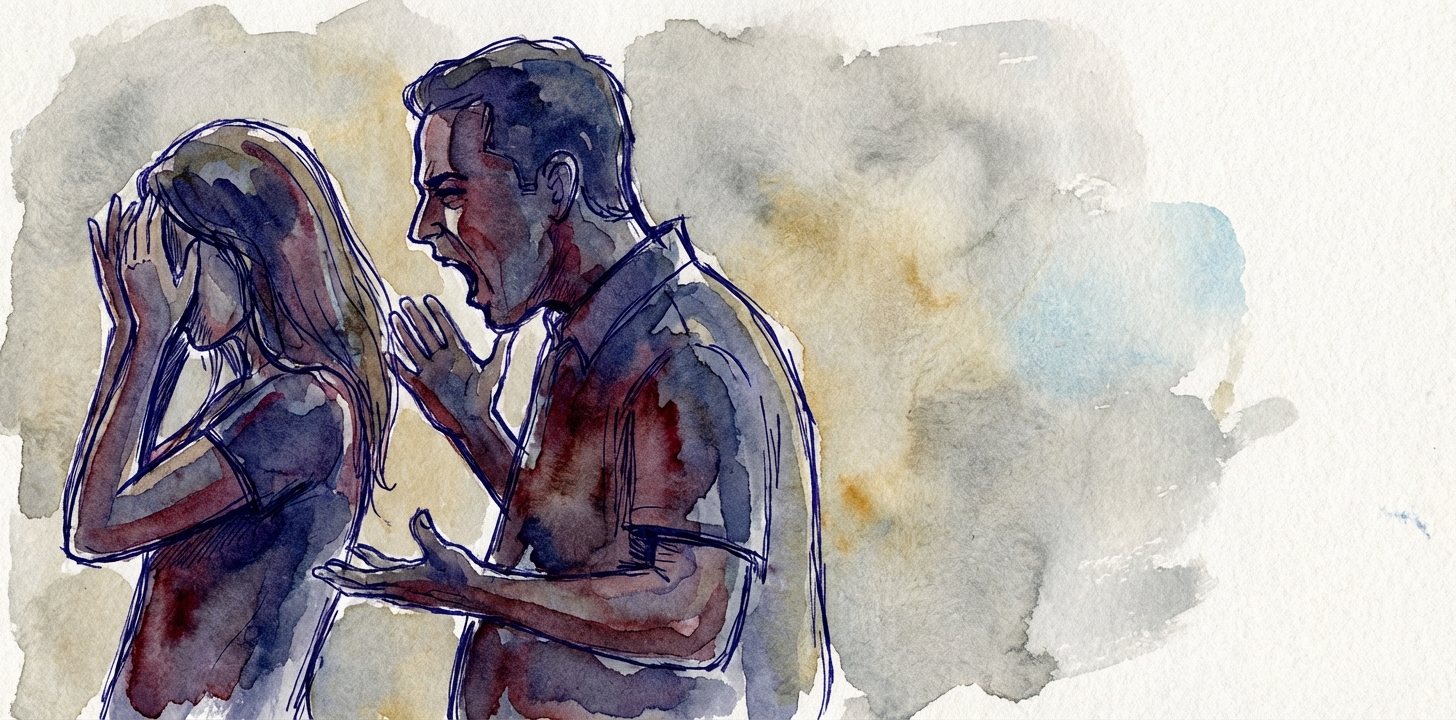

Strangulation and Aggravated Assault as a Domestic Violence Felony in Arizona: An In-Depth Opinion
In recent years, Arizona’s approach to domestic violence has taken a firm stance on actions that, even if they seem to be only a fleeting moment of physical contact, can result in grave felony charges. One such action is strangulation. This editorial offers a close look at how the state defines and prosecutes strangulation and aggravated assault in domestic settings, discussing the tricky parts of the law, the chained legal processes, and what defendants might expect if they face such charges.
It is important to note that although these legal processes can seem overwhelming, understanding these tangled issues is essential for anyone who might navigate a domestic violence case in Arizona. This piece is written to shed light on key legal perspectives while employing a neutral tone, relying on common language and phrases that capture the fine points of this important subject.
Arizona’s Legal Definition of Domestic Violence Strangulation
Under Arizona law, the act of strangulation is defined as intentionally or knowingly impeding another person’s ability to breathe or restricting the circulation of blood. This definition covers actions such as placing pressure on the throat, nose, or mouth even if no visible marks or bruises are present. What might appear as a minor act to some, is deemed extremely risky and is both treated and charged as aggravated assault when it occurs in a domestic setting.
Understanding the Statutory Framework
Arizona’s legal system classifies strangulation within the boundaries of aggravated assault, particularly when the alleged incident takes place between people in a domestic relationship. These relationships can include spouses, dating partners, former partners, individuals who share a child, or even cohabitants. The legal framework is clear: any action that restricts breathing, even if it does not result in visible injury, can lead to a felony charge when domestic violence rules apply.
This approach is firmly rooted in the belief that even slight pressure on the neck during an emotionally charged dispute is an act of high risk. In other words, the state seeks to address the dangerous twists and turns of human interactions that might otherwise escalate into far more severe harm.
Key Legal Provisions and Their Implications
Arizona has built its legal route around a specific statute—A.R.S. § 13-1204—that explicitly covers acts of strangulation. The statute emphasizes that the accused must have acted knowingly or intentionally, adding an extra layer of complexity when it comes to proving certain elements of the offense. Moreover, under A.R.S. § 13-3601, if the incident involves a domestic relationship, additional consequences such as mandatory counseling, firearm restrictions, and longer sentences may apply.
These statutory provisions are designed to protect victims by ensuring that even the smallest of actions that restrict another’s breathing are not taken lightly. The law views these acts as clear warnings of potential escalation, meaning that early intervention is often seen as essential by prosecutors.
When a Brief Contact Transitions to a Felony Charge
One of the most challenging aspects of Arizona’s domestic violence law is how quickly a seemingly minor interaction can be escalated into a felony charge. Many cases involve moments that, under heated circumstances, may have originated from an argument or a misunderstanding but have, in the eyes of the law, turned into serious offenses.
From a Momentary Incident to Aggravated Assault
It is not uncommon for police to respond swiftly when they receive reports of hand contact around the neck during a dispute. Even if the supposed action was unintentional—a mere pushing away during an argument or a misinterpreted gesture—the officers on the scene are trained to treat the situation as potentially dangerous due to the possibility of restricted breathing.
This approach by law enforcement is based on the understanding that the small distinctions between an accidental brush and a deliberate act are often difficult to discern on the spot. This strict enforcement, however, has led to cases where defendants are charged with a felony based on evidence that might be solely based on verbal accounts or brief physical observations.
Consequences of a Felony Domestic Charge
When domestic violence charges escalate to the level of a felony, the penalties can be extensive. For first-time offenders, a class 4 felony conviction might result in a prison sentence ranging anywhere from 18 months to roughly 3.75 years. Additionally, the following consequences may come into play:
- Mandatory Counseling: Courts often require a 26-week domestic violence treatment program.
- Fines and Financial Penalties: Substantial fines and assessments are frequently imposed, which can add up quickly.
- Firearm Restrictions: A domestic violence conviction can permanently bar someone from owning or purchasing firearms.
- Collateral Consequences: Impact on employment, housing, and even future custody arrangements may follow a conviction.
These consequences are not only intimidating in the immediate sense but can also have a long-term, nerve-racking impact on a person’s future. The implications highlight why anyone facing such charges should seek legal counsel immediately.
Building a Case: The Prosecutor’s Perspective
Prosecutors in Arizona take all allegations of domestic violence very seriously. When a case reaches their desks, the goal is to build an argument that substantiates every element of the crime beyond a reasonable doubt. In cases involving strangulation, the evidence required might include witness statements, 911 call recordings, and physical observations from police officers.
Evidence Considered in Domestic Violence Cases
Since strangulation cases might not always involve apparent injuries, the testimonies of the alleged victim become especially important. Here are some of the types of evidence that can be pivotal in these cases:
- 911 Call Recordings: The language used during emergency calls, often filled with expressions of fear or descriptions of restricted breathing, plays a significant role.
- Body-Worn Camera Footage: Footage captured by police on the scene can offer essential visual context that supports the victim’s account.
- Witness Statements: Observations from neighbors, friends, or others close to the incident can add weight to the allegations.
- Medical Reports: Even if there are no visible marks, any reports indicating breathing difficulties or other subtle indicators are considered important.
Prosecutors may also consider a defendant’s history and any prior incidents in their evaluation. Even a minor prior incident can be seen as part of a larger, loaded (with issues) pattern of behavior which contributes to a more severe interpretation of the current charge.
How Prosecutors Construct a Domestic Violence Case
In many instances, the state will build a case based solely on the victim’s description and the officer’s narrative. The prosecutor’s toolkit includes:
| Evidence Type | Description | Role in the Case |
|---|---|---|
| 911 Recordings | Audio evidence from the emergency call. | Highlights the urgency and emotional state during the incident. |
| Body-Worn Camera Footage | Visual documentation by responding officers. | Provides credibility to the witness accounts and officer observations. |
| Witness Testimonies | Statements from impartial observers. | Corroborates details regarding the event. |
| Medical Reports | Documentation of any physical symptoms. | Establishes the potential impact of restrained breathing or circulation. |
These methods provide a picture that might seem straightforward during a tense moment, yet the fine details—the subtle parts that separate an accidental misstep from an intentional act—are what ultimately sway a case in court.
Defense Strategies: Charting a Path Through the Legal Maze
For anyone facing a charge related to domestic violence strangulation, building an effective defense is crucial, especially when the allegations are based on emotional and anecdotal evidence. Defense attorneys must work diligently to figure a path through the off-putting web of evidence, uncovering inconsistencies and casting doubt on the prosecution’s narrative.
Challenging the Credibility of Testimonies
One common strategy is to challenge the credibility of the alleged victim’s account. In instances where statements or recollections are inconsistent or appear to be exaggerated, an attorney might argue that the evidence does not paint a clear picture of an intentional act. Some defense approaches include:
- Pointing Out Inconsistencies: Highlight any conflicting statements or discrepancies found during the investigation.
- Questioning the Memory of the Witness: Emotions tend to run high during these incidents, which can lead to mistakes or overstatements.
- Evaluating Physical Evidence: If no corroborating physical evidence exists, the claim might be seen as less credible.
These tactics are geared toward showing that the prosecution’s case might be built on a series of confusing bits rather than solid, concrete evidence.
Examining the Intent Behind the Act
An equally important aspect of a defense is to investigate whether the act was truly intentional or simply an accidental mishap during a struggle. Arizona law requires that the prosecution prove that the defendant acted with clear intent—meaning that the individual knowingly restricted breathing. A defense attorney might argue:
- Lack of Deliberate Action: Present evidence that suggests the act was not a purposeful attempt to restrict breathing, but rather a minor miscalculation amid a heated moment.
- Mutual Struggle: If both parties were engaged in a physical altercation, it becomes harder to pinpoint intent solely on the defendant’s part.
- Accidental Contact: Emphasize that brief contact, without any deliberate pressure, does not satisfy the legal requirements for a felony charge.
This strategy aims at piecing together a defense narrative that highlights the accidental nature of the incident, urging the court to consider whether the prosecution has met its burden of proof.
Self-Defense as a Justification
In scenarios where a defendant was attempting to shield themselves or another person during an escalating confrontation, self-defense may be considered a lawful justification. Arguing self-defense typically involves showing that the accused was in imminent danger and that their actions were a necessary response to protect themselves. Defense lawyers might point to:
- The presence of an immediate threat, requiring the defendant’s intervention.
- Any available evidence, such as video footage, that shows the defendant acting in self-defense.
- Witness statements that support the interpretation of the incident as a defensive maneuver.
While self-defense claims do not automatically absolve one of responsibility, they can introduce important doubts regarding the intentionality of the act, thereby contributing significantly to a stronger defense.
The Legal Process and What to Expect in Court
Once charges are filed, the legal process in a domestic violence case moves quickly and can often seem like navigating a maze full of tricky parts and nerve-racking steps. From arrest through trial, every phase carries its own sets of challenges and highlighted considerations.
Initial Appearance and Release Conditions
The first stage in many domestic violence cases is the initial appearance. Here, the defendant is informed of the charges and any immediate release conditions are set. These conditions might include:
- No-contact orders with the alleged victim.
- Bail or bond requirements, which may be set at high levels due to the state’s strict view on domestic violence.
- Mandatory check-ins with local law enforcement.
These early stages are nerve-racking for the defendant, especially as they set the tone for the rest of the process. It becomes critical at this point to have experienced legal representation who can quickly get into the finer shades of the legal situation.
Preliminary Hearings and Arraignment
After the initial appearance, the case moves to preliminary hearings or grand jury reviews, where the prosecutor must demonstrate probable cause to proceed with a felony charge. If the evidence is deemed sufficient, the defendant is formally arraigned, meaning they must enter a plea. Key elements of these proceedings include:
- Review of Evidence: The court examines all available evidence, even if it largely revolves around witness testimonies rather than physical injuries.
- Setting Pre-Trial Conditions: Additional release conditions or restrictions may be implemented, all of which can contribute to a tense environment.
- Legal Strategy Session: Both the defense and prosecution begin deploying strategies to find a path through the legal twists and turns.
This stage is often intense, with every minute detail scrutinized under the law’s critical lens. For defendants, having a lawyer who can methodically get around the confusing bits of evidence is super important to manage the proceedings.
Trial and Resolution
If the case does not settle through plea agreements or dismissal of charges, it proceeds to trial. During trial, both parties—defense and prosecution—present their evidence. The courtroom becomes the stage where every fine detail, from subtle physical cues to slight differences in testimonies, is examined and debated.
Trials in domestic violence cases are on edge, with the stakes incredibly high. The prosecution aims to prove every element of the offense beyond a reasonable doubt, while the defense works to introduce reasonable doubts and challenge the consistency of the convictions. The following table summarizes the differences between a domestic violence trial and a non-domestic trial in Arizona:
| Aspect | Domestic Violence Case | Non-Domestic Case |
|---|---|---|
| Speed of Proceedings | Often moves quickly due to high-risk designation | Typically follows a more standard timetable |
| Evidence Emphasis | Reliance on testimony and 911 call details | Greater emphasis on physical evidence |
| Release Conditions | Strict no-contact orders and additional restrictions | Standard bail conditions without domestic focus |
| Potential Consequences | Long-term impact including firearm restrictions and probation | Lesser collateral consequences in many instances |
The trial stage is, without doubt, one of the most intimidating parts of the entire legal ordeal. Each testimony, piece of evidence, and court ruling can produce outcomes that affect a person’s life for many years to come.
Addressing the Public Perception and Policy Implications
There is ongoing public debate about the extent to which domestic violence charges should be prosecuted when based on minimal physical evidence. Some argue that the state’s approach might lead to cases that are loaded (with issues) being ramped up unnecessarily, while others believe that the potential danger of even slight neck pressure must be taken seriously.
Critics of the Current Legal Standpoint
Certain critics of Arizona’s domestic violence policies contend that the system can sometimes get entangled in the fine shades of interpreting human contact during domestic disputes. They advocate that what might be an accidental brush or a defensive maneuver gets misinterpreted as an intentional criminal act, leading to disproportionate felony charges. The critics point to the following issues:
- Overreliance on Subjective Testimonies: When the key evidence is based on personal recollections during highly charged moments, the risk of misinterpretation is significant.
- Lack of Visible Injuries: Since the law does not require visible injuries to press charges, cases with little physical evidence can still lead to severe penalties.
- Collateral Consequences: The social and personal impact of a felony domestic violence conviction can be long-lasting and affect one’s ability to work, find housing, or maintain personal relationships.
Critics argue for a more measured approach that considers the delicate nature of human interaction and the possibility of misunderstandings during emotionally charged confrontations. Nevertheless, public safety concerns frequently outweigh these arguments in policy discussions.
Supporters of Strict Enforcement Measures
On the other side of the debate, supporters of Arizona’s strict measures highlight the importance of deterring repeat offenses and sending a clear message about the state’s intolerance for any act that could potentially escalate into severe injury or death. Their arguments include:
- Preventive Deterrence: By strictly prosecuting acts of strangulation—even in cases lacking visible injury—law enforcement can deter future behavior that might escalate with repeat incidents.
- Protection of Vulnerable Individuals: The law aims to protect those within domestic settings, emphasizing that even a momentary lapse in judgment should lead to consequences that deter further abuse.
- Clear Legal Standards: Supporters appreciate that Arizona’s legal framework leaves little ambiguity regarding what is considered harmful behavior, ensuring that abusers cannot exploit subtle differences in interpretation.
These supporters insist that the state’s approach is essential in a world where domestic violence cases are all too common. They view the strict sanctions as critical steps to safeguard individuals from potentially escalating behavior before it causes lasting harm.
Long-Term Implications and Considerations for Policy Reform
Looking ahead, the debate surrounding domestic violence and strangulation charges raises questions about whether policies need to be adjusted to better balance the rights of the accused with the necessity to protect potential victims. While the law is designed to consider even the smallest twists and turns in human interaction, policymakers face the challenge of weighing long-term societal impacts.
Potential Areas for Legal Adjustment
In discussions over legal reform, several areas come to light where tweaks could potentially help both parties involved. These include:
- Enhancing Evidentiary Standards: Adjusting the reliance on subjective statements without corroborating physical evidence might help prevent inadvertent felony charges.
- Reviewing Mandatory Penalties: Some advocate for a review of penalties, especially regarding firearm restrictions and mandatory treatment programs, to ensure that punishments fit the specific circumstances of each case.
- Improving Training for Law Enforcement: Better training might help officers to quickly distinguish between accidental contact and truly dangerous acts, thereby reducing the chance of misinterpretation during volatile moments.
These points are part of an ongoing discussion about how to make the system more fair while still protecting those at risk. Balancing the complicated pieces of justice requires input from legal experts, policymakers, law enforcement, and community advocacy groups.
Long-Term Effects on Defendants
A felony domestic violence conviction, especially one related to strangulation, can have lasting effects on a person’s life. Beyond the immediate impacts such as imprisonment or probation, long-term consequences can include:
- Employment Challenges: A criminal record often makes it hard to secure employment, impacting future earning potential.
- Housing Difficulties: Many landlords run background checks, and a felony conviction can limit housing opportunities.
- Loss of Civil Rights: Beyond firearm restrictions, a felony record can affect voting rights and other civil liberties.
- Family and Social Relationships: A felony charge can strain personal relationships and create social isolation, placing additional emotional burdens on the individual.
The state’s strict interpretation of domestic violence highlights the need for both robust legal representation and nuanced policy considerations. For defendants, the impact of these charges extends far beyond the courtroom—affecting nearly every aspect of their future life.
The Role of Experienced Legal Counsel in a Domestic Violence Case
Given the nerve-racking nature of domestic violence cases, having an attorney who can effectively get around the small distinctions and quickly steer through the tricky parts of the legal process is absolutely essential. Experienced legal professionals can:
Assess and Challenge the Evidence
Skilled defense lawyers will take a closer look at all the evidence involved in a case, including:
- 911 call recordings that may contain subjective language.
- Body camera footage which often provides context absent from witness statements.
- Testimonies with conflicting accounts that may create reasonable doubt.
By examining these subtle details, defense counsel can craft arguments that question whether the prosecution has met the legal burden, potentially reducing charges or even dismissing the case entirely.
Develop a Customized Legal Strategy
No two cases are identical. A defense attorney will tailor their approach based on various factors such as:
- The circumstances of the incident: Was the defendant merely trying to push past during a heated moment, or did they intentionally try to restrict breathing?
- The nature of the evidence: Is there corroborative support from multiple sources, or does the case rely solely on one account?
- Prior history and context: A record that is otherwise clean can indicate that the incident was an isolated, accidental occurrence rather than part of a broader pattern.
Custom defense strategies might include challenging the credibility of the witness accounts, arguing the lack of deliberate action, or even invoking self-defense claims when applicable. The goal is to find every opportunity to cast doubt on the prosecution’s narrative and, ultimately, to protect the rights and freedoms of the accused.
Conclusion: Striking a Balance Between Protection and Fairness
The legal landscape in Arizona surrounding domestic violence, particularly in cases involving strangulation, is undeniably full of problems and loaded (with issues). Advocates for both victims and defendants face a multifaceted challenge: ensuring that society is protected from dangerous behavior while also safeguarding against overly broad or unfitting charges for actions that may have arisen from a momentary lapse during an emotionally charged exchange.
As public opinion continues to evolve and legal experts debate the finer shades of the law, it remains critical that cases are examined with discernment, fairness, and attention to every little twist. The responsibility falls not only on prosecutors and judges, but also on defense attorneys who aim to ensure that justice is served without unnecessarily penalizing those who might have been part of a misunderstanding.
For the public, it is a reminder that legal processes are intricate and that the outcomes of even a brief physical altercation can alter the course of a life. With the stakes so high, it is imperative to have clear, compassionate legal practices that balance protective measures with considerations of intent and context.
Ultimately, working through these domestic violence cases calls for a collective effort aimed at finding a path that is both humane and just. Whether you are a concerned citizen, a legal advocate, or someone facing these charges, understanding the hidden complexities of this area of law is fundamental to making informed decisions.
Key Takeaways for the Public and Legal Practitioners
Below is a summary of the essential points discussed in this editorial:
- Definition and Scope: Arizona defines strangulation in domestic violence as any act that knowingly restricts breathing or blood flow, and this can escalate into a felony charge even without visible injuries.
- Evidence and Proof: Prosecutors use a variety of evidence types—from 911 recordings to body camera footage—to build their case, making the fine details and slight differences in testimonies critically important.
- Defense Strategies: Effective defense may involve challenging the credibility of witness statements, arguing accidental contact, or shifting the narrative to self-defense. Customized legal strategies are key.
- Long-Term Impact: A conviction carries lasting consequences, including potential job loss, housing difficulties, and broader restrictions on civil rights.
- Policy and Reform: Both critics and supporters of the current legal framework agree that finding a balance in mandatory penalties and evidentiary standards is super important for ensuring fair treatment under the law.
By taking a closer look at these aspects, legal practitioners and policymakers can work to figure a path through the confusing bits of this challenging area of law, while ensuring that the rights and safety of everyone involved are protected.
Final Thoughts
The debate over how to handle domestic violence charges—especially those involving strangulation—underscores a broader discussion about public safety, personal accountability, and the limits of state intervention in interpersonal disputes. As the legal system continues to address these tense and complicated pieces of behavior, both the state and the community must remain engaged in striving for a balance that protects victims without undermining the principles of justice.
For anyone caught up in such a situation, it is crucial to seek immediate legal counsel. The right defense can make all the difference in addressing the off-putting ramifications that a felony domestic violence charge can have on one’s life.
In closing, while Arizona’s strict enforcement of domestic violence laws is designed to prevent potential harm, it also brings to light the essential need for fair and measured legal proceedings. The ultimate goal should always be to ensure that justice—not just retribution—is done.
This editorial represents a snapshot of an evolving area of law, filled with nerve-racking decisions and endless debates. It serves as an important reminder that the legal arena is not only about enforcing penalties but also about protecting individual rights and finding a carefully balanced approach that reflects both the letter and the spirit of the law.
Read more about this topic at https://www.chmlaw.com/strangulation-and-aggravated-assault-as-a-domestic-violence-felony-arizona/
Related articles you might like
Strangulation Laws and Penalties
When Physical Violence Crosses the Line: Battery by …
