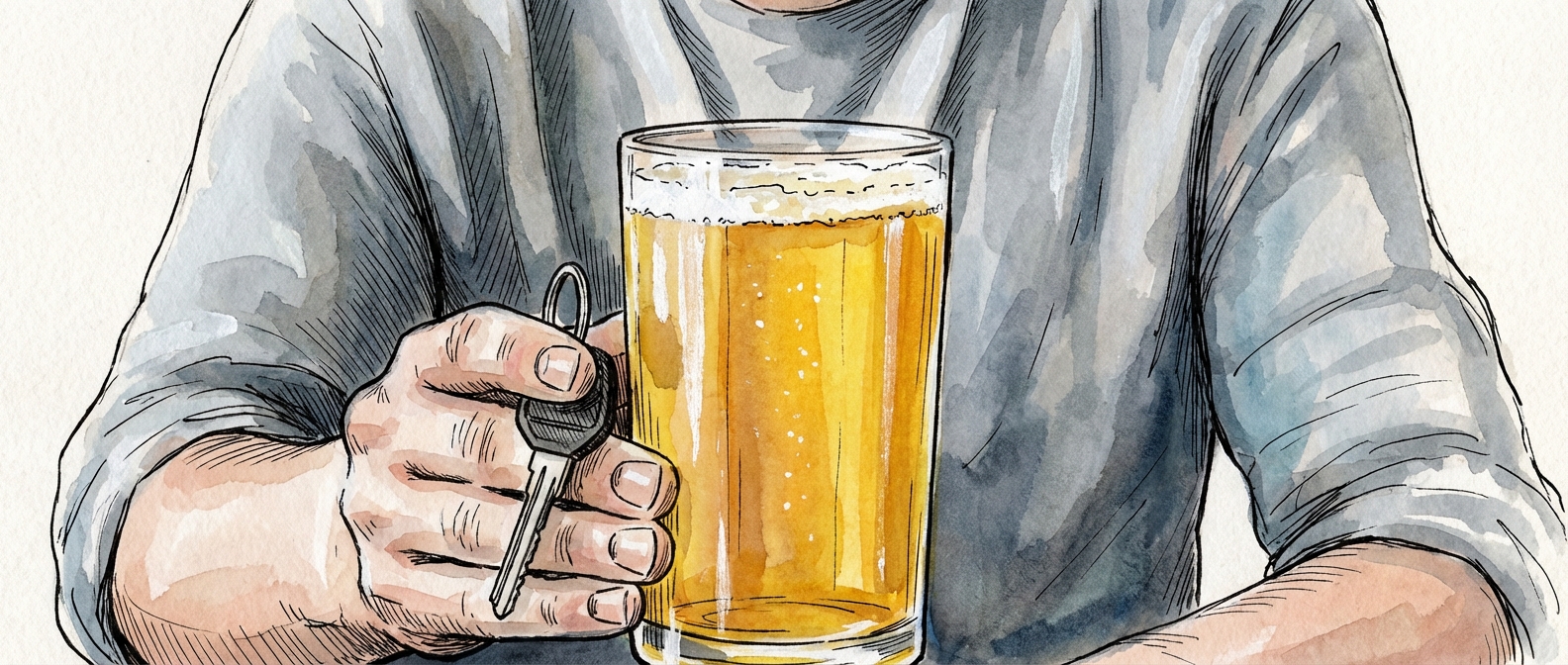

Understanding the DUI Landscape in Arizona
The topic of driving under the influence in Arizona is one that is full of problems and filled with twists and turns. For those who find themselves facing a DUI for the first time or know someone who does, it can feel overwhelming and intimidating. In this opinion editorial, we take a closer look at the journey a first-offense DUI defendant in Arizona might encounter in the first 30 days after an arrest. We’ll explore everything from the initial police stop to court procedures, along with key defense strategies and the importance of preserving evidence for your case.
The DUI Arrest Process: Getting to Know the Early Stages
How Stops Begin in Tempe’s Hotspot Areas
Many DUI cases begin unexpectedly. Reports indicate that in areas around Tempe’s popular event locations—such as Mountain America Stadium, Tempe Beach Park, and the bustling Mill Avenue Entertainment District—a minor mistake, like drifting within a lane, making a wide turn, or even using a cell phone at a stop light, might trigger increased police attention. The police may initially assess subtle parts like speech, balance, or even eye cues, and then ask for simple field tests.
The start of a DUI stop is critical. Officers are looking for those confusing bits in your behavior—small yet telling signals that could turn a routine stop into a serious legal matter. The process begins with a suspicion rather than hard evidence, and the police’s decision to proceed with field sobriety tests or portable breath tests is based on these slight differences in behavior.
Understanding Field Sobriety and Portable Breath Tests
Field sobriety tests and portable breath tests are often administered during a roadside stop. It is important to note that these tests are at times riddled with issues. Environmental factors like heat, physical fatigue after an event, or even unsuitable footwear can cause these tests to produce results that might not accurately reflect impairment.
Portable breath tests, conducted under A.R.S. § 28‑1322, are used to provide an initial reading for an officer. However, the subsequent legal proceedings depend on more accurate measurements taken within a predetermined timeframe. The process is designed to check if the chemical tests meet the legal standards defined under A.R.S. §§ 28‑1381 to 28‑1385. When these procedures do not quite add up, they could become a key point in devising a defense strategy.
The Critical 30 Days After a DUI Arrest in Arizona
Mapping Out Your Immediate Legal Timeline
After a DUI arrest, the first 30 days are crucial. This period is loaded with problems and is often one of the most nerve-racking periods for those involved. Immediately following the arrest, a series of important deadlines and legal actions begin. For example, if a breath test reveals a blood alcohol concentration (BAC) of 0.08 or higher, the Administrative Per Se process can kick in, initiating a 90-day administrative action that starts after the first 30 days. In the interim, you might be issued a temporary permit, but it’s also common for a first-time offense to mean an initial 30-day restriction on driving, followed by a longer period of limited travel if the screening process is completed successfully.
This timeframe is also when it becomes essential to request a hearing with the Motor Vehicle Division via the Arizona Department of Transportation. Missing these deadlines can result in additional penalties or complications in your defense, thereby emphasizing how super important it is to plan early and keep detailed records of the arrest process.
Detailed Timeline of the First 30 Days
Here is a simplified timeline that outlines what a first-time DUI defendant in Arizona may experience after the arrest:
- Day 0: DUI arrest and initial roadside testing (field sobriety and portable breath tests).
- Within 24 hours: An official report is generated and evidence may be gathered, including body cam footage and dash cam recordings.
- Day 1-7: Immediate legal consultation is crucial. Preserve all documents, receipts, or any material that could later be beneficial for your defense.
- Day 10-15: Filing for a Motor Vehicle Division (MVD) hearing; the court might also schedule further evidentiary hearings.
- Day 30: Official start of the administrative process if the initial test showed 0.08 or above, with a temporary permit in place during the process.
- Day 31-90: The period where interference with your license may be solidified, including potential imposition of an ignition interlock device requirement.
Understanding each of these steps and the necessary deadlines can make your way through the legal jungle much smoother, reducing some of the nerve-racking aspects of the arrest process.
Understanding Arizona DUI Penalties for a First Offense
Breaking Down the DUI Charge Levels and Their Consequences
The state of Arizona has set clear statutory guidelines that dictate the penalties for various levels of DUI charges. These range from a standard DUI to more severe cases such as Extreme DUI, Super Extreme DUI, and even instances where the charge escalates to DUI with a child in the car or aggravated DUI. The penalties are carefully defined by statute and are based on not only your BAC, but also on other aggravating factors like prior arrests or the presence of a child.
Below is a table summarizing some of the key penalties for a first-offense DUI under Arizona law. Note that the penalties can be further escalated based on circumstances or repeat offenses.
| DUI Type | Minimum Jail Time | Fines & Assessments | License & Interlock Actions |
|---|---|---|---|
| Standard DUI (A.R.S. § 28‑1381) | 10 days (with screening) | At least $250 plus assessments | Potential license suspension and mandatory interlock upon conviction |
| Extreme DUI (BAC 0.15 to < 0.20, A.R.S. § 28‑1382 A(1)) | 30 days | At least $250 plus assessments | Suspension of the license with a 12-month interlock requirement |
| Super Extreme DUI (BAC 0.20 or more, A.R.S. § 28‑1382 A(2)) | 45 days | At least $500 plus assessments | License suspension with a 12-month interlock requirement |
| Administrative Per Se DUI (A.R.S. § 28‑1385) | No direct jail time per se | Screening and subsequent permit restrictions | Separate Motor Vehicle Division action may be initiated |
| Refusal to Submit to Testing (A.R.S. § 28‑1321) | No immediate jail time | Typically incurs a 12-month license suspension starting after 30 days | Special restricted interlock license possible |
This table lays out the minimum standards mandated by law, but many cases come with additional complications depending on the specifics. Understanding these penalties is important for anyone trying to get around that maze of confusing bits in the law.
Event-Related DUI Arrests: Unique Considerations
Handling DUI Cases During High-Traffic and Event Periods
Events such as game days or concerts can add a layer of complexity to DUI cases due to increased police patrols and heightened scrutiny. For drivers heading for an ASU event or a concert near Tempe Beach Park, the odds of encountering enhanced saturation patrols are notably high. This environment can lead to excessive stops that might not have occurred during quieter times.
If you are pulled over in such conditions, every little twist in your behavior, even if it’s just because of fatigue or a minor distraction, could be used against you. It is super important to be aware of your surroundings and to be ready with any evidence―like receipts, GPS records, or even witness statements―that clarifies your conduct in heavy traffic situations.
Key Considerations for College Students and Visitors
College campuses and nearby event districts, such as those found around ASU, pose their own set of challenges. Underage DUI cases carry a stringent zero-tolerance policy in Arizona. Not only are the penalties severe, but the legal process is also loaded with tricky parts that can put young drivers under immediate pressure. It is essential for students and visitors to understand that even a minor oversight can lead to significant consequences.
If you’re a young driver caught in a DUI incident, securing independent evidence like a private blood test or utilizing body cam footage from the officer—if available—can be key in mounting an effective defense. It’s a situation that requires you to get into the finer details of your case quickly and efficiently.
Defense Strategies: Charting a Path Through the Legal Maze
Proactive Steps to Preserve Evidence and Reduce Penalties
One common thread in the first 30 days post-arrest is the need to act fast. Engaging with a knowledgeable DUI attorney during this period can be one of the most critical moves. A seasoned lawyer will sometimes use scientific evidence, such as calibration records for breath testing devices or even independent medical tests, to challenge the prosecution’s case. Here are some key defense strategies recommended by experienced attorneys:
- Collect All Documents: Secure every piece of documentation including traffic citations, testing reports, body cam footage, and dispatch logs.
- Get Independent Tests: Consider obtaining a private blood alcohol test soon after the arrest to verify or challenge the initial readings.
- Review the Stop’s Validity: Investigate whether the stop was justified and if there were missteps in procedural protocol.
- Highlight External Factors: Emphasize environmental elements—such as weather, the impact of fatigue after an event, or unsuitable footwear—that might have skewed field sobriety tests.
- Request Calibration Records: Ensure that the portable breath test devices used were properly maintained and calibrated in accordance with legal standards.
These action items might seem like small distinctions, but they can be the key elements that make a difference in reducing potential penalties or even dismissing charges under certain circumstances.
Working With a DUI Defense Attorney in Arizona
When you’re dealing with the challenging parts of a DUI case, having an experienced attorney is essential to figure a path through the maze. For instance, attorneys with extensive local knowledge, particularly in areas like Tempe and nearby cities such as Scottsdale, Mesa, and Glendale, often have the local relationships to obtain physical evidence quickly. They know where to request body cam footage, dash cam recordings, and even how to obtain dispatch logs that could help tilt your case in your favor.
By addressing both the evident and subtle details in your case, a competent DUI lawyer can assist in mitigating mandatory fines, reducing jail time, and possibly even avoiding the imposition of an ignition interlock device. This type of representation is especially important when the first offense is tied to event-related incidents where timing, location, and external factors all contribute to a tense legal environment.
Deep Dive Into the Fine Points of Arizona DUI Law
Exploring the Legal Framework and Its Hidden Complexities
The legal framework surrounding DUI offenses in Arizona is riddled with complicated pieces that can be intimidating to the uninitiated. The laws not only specify clear penalties but also detail the types of evidence needed to uphold those penalties. For example, the state’s approach stipulates precise definitions regarding different BAC levels, which then determine whether a case is classified as a standard DUI, extreme DUI, or super extreme DUI.
It’s super important to note that the legal language is filled with subtle details that might seem like mere wordplay but, in reality, are super important in how a case is decided in the courtroom. For instance, the difference between an “extreme DUI” and a “super extreme DUI” isn’t just about the numbers; it’s about how the conditions under which the test was administered can affect the reliability of the results. These aspects are exactly why engaging an attorney who can poke around these little twists is key to mounting an effective defense.
Breaking Down the Types of DUI Offenses in Detail
Let’s take another closer look at the various DUI types recognized under Arizona law. Understanding these categories can help you figure a path through the legal proceedings and strategize with your attorney:
- Misdemeanor DUI: Typically involves a BAC of 0.08 and includes standard penalties such as short-term jail time, fines, and temporary license restrictions. Crucial early steps include reviewing the stop details and ensuring that the officer’s actions were justified.
- Extreme DUI: This is applicable with a BAC between 0.15 and just under 0.20. Penalties escalate to longer jail times along with higher fines, and license suspensions accompanied by interlock device mandates become more common.
- Super Extreme DUI: For BAC readings of 0.20 or above, the consequences are even more severe. In these cases, the likelihood of a lengthy jail sentence, substantial fines, and long-lasting license repercussions increases markedly.
- Administrative Per Se DUI: These charges stem from the failure to comply with chemical testing requirements, often involving special administrative actions separate from the court’s rulings.
- Refusal Charges: Refusing to comply with testing procedures can lead to separate penalties, including an immediate suspension of your driving privileges for a set period.
This breakdown highlights that not every DUI charge is created equal. The specific circumstances behind each charge require a nuanced understanding of the law’s little details to build an effective defense.
Managing Your Way Through Legal and Administrative Hurdles
Steps to Take Immediately After a DUI Arrest
Facing a DUI arrest is nerve-racking, especially when it comes to managing your way through both court actions and administrative procedures. Here are some initial steps that every defendant should consider:
- Obtain Legal Counsel Right Away: Time is of the essence. The sooner you can consult with an attorney who is experienced in Arizona DUI law, the better you can manage your upcoming legal obligations.
- Document Everything: Keep records of every interaction, receipt, ticket, and any piece of physical evidence that supports your account of the events.
- Know Your Rights: Familiarize yourself with the legal procedures associated with DUI stops, including when and how you should refuse certain tests if warranted.
- Request Video Evidence: If you were in an area with multiple cameras (body cams, dash cams, or traffic cameras), ask your lawyer to secure copies as soon as possible.
- Save and Organize After-Event Details: This might include the names of any witnesses, receipts from rideshares, or even documentation of the event’s conditions.
These practical steps, while seemingly small, can help clear up many of the confusing bits that might be raised later during the legal proceedings. Every detail counts when it comes to making sure that the prosecution’s case does not stand on shaky grounds.
Why Timely Action Can Make a Big Difference
One of the most nerve-racking aspects of a DUI arrest is the extremely tight window for taking action. The first 30 days after arrest are not only scientifically important for establishing an alibi or gathering counter-evidence, but they also determine how soon the Motor Vehicle Division will take actions that could permanently affect your driving record.
Even minor delays in seeking legal advice or requesting evidence can have a significant impact on your case. Therefore, it is essential to work quickly and efficiently, ensuring that every necessary document is submitted and every appropriate piece of evidence is filed timely to avoid additional consequences.
Practical Defense Strategies for Event-Related DUI Arrests
How Local Laws and Circumstances Shape Your Defense
When DUI arrests occur during busy events or in high-traffic areas, the defense approach often leverages the surrounding circumstances. For example, consider a situation immediately following a large sporting event or concert. Many drivers may behave slightly out of the ordinary due to fatigue, ambient noise, or even the pressure of navigating through congested routes.
An effective attorney will know how to use these twists and turns to their advantage. They might argue that simple mistakes in minor street navigation during a chaotic event do not necessarily equate to impairment. This approach stresses the idea that each situation must be weighed in context, factoring in environmental influences that may have contributed to your behavior.
Critical evidence might include:
- Body cam and dash cam footage that demonstrates normal driving patterns before and after the stop.
- Calibration records for testing devices that can call into question the accuracy of the chemical tests.
- Detailed receipts or witness statements that confirm you used a rideshare service or were with sober passengers.
These details, when combined with the broader context of event-related DUI arrests, can be key in reducing penalties or even challenging the validity of the arrest altogether.
Leveraging Scientific Evidence and Technical Details
In many DUI cases, the use of technical evidence is one of the super important aspects of building a strong defense. The subtle parts of this evidence often rest on the calibration of breath testing devices, the timing between tests, and even the accuracy of field sobriety assessments.
An experienced defense attorney will often arrange for independent testing or hire technical experts to look into these confusing bits of evidence. Such experts can help reveal whether environmental factors like high temperatures, fatigue after an event, or even minor injuries have skewed the test results. The goal is to create reasonable doubt regarding the prosecution’s evidence.
Defense Success Stories and What We Can Learn From Them
Real-World Examples of Reduced Penalties
Across Arizona, there have been multiple cases where defendants have successfully challenged DUI charges, leading to charge reductions or even full dismissals. For instance, one case involved a driver facing a Super Extreme DUI charge based on a 0.20 BAC reading. By highlighting discrepancies between field test results and subsequent evidence—such as discrepancies in the calibration of the breathalyzer and external factors impacting field performance—the defense was able to reduce the charge to a standard first-time DUI with milder penalties.
Other cases have shown how a well-documented series of events, including obtaining timely body cam footage and gathering receipts that corroborate a rideshare usage, can play a critical role in persuading the court to accept a reduction of charges. These successful examples demonstrate that quick thinking and diligent record keeping in the first 30 days are not just recommended, but absolutely necessary.
Lessons Learned: Key Takeaways for DUI Defendants
From reviewing numerous defense cases, several key lessons stand out for anyone facing a DUI charge in Arizona:
- Immediate Legal Consultation: The sooner you involve an experienced DUI lawyer, the better your chances to contest the evidence effectively.
- Preserve Every Detail: Even seemingly minor details can be the little twists that change the overall outcome of your case.
- Question Testing Procedures: Don’t hesitate to ask for independent tests or calibration reviews if there is any doubt about the methods used during your arrest.
- Act Quickly: With strict deadlines imposed by the MVD and court, time is always of the essence.
- Maintain Composure: A calm and cooperative demeanor in the immediate aftermath of the arrest can help prevent further complications.
Whether you are a college student, a local resident, or a visitor in the bustling regions of Tempe, Scottsdale, Mesa, or beyond, these practical takeaways remind you that the early stages of a DUI case set the stage for everything that follows.
Concluding Thoughts: Protecting Your Future Against a DUI in Arizona
Why Early Action and Professional Guidance Are Key
Driving under the influence is not only a serious personal setback but also a legal challenge filled with tricky parts and intimidating deadlines. One of the most challenging aspects of facing a DUI charge is the quick succession of events in the first 30 days after an arrest, a period where every minute counts. Whether it is the initial roadside stop, the field sobriety tests, or the administrative hearings with the Motor Vehicle Division, every step of the process is layered with subtle details that can be the difference between a harsh penalty and a reduced sentence.
For many, securing an early consultation with a seasoned DUI defense attorney can be the deciding factor. Professionals with deep local expertise in Arizona know how to figure a path through each stage of this process, harnessing both scientific evidence and court precedents to mitigate the consequences of a DUI arrest.
Final Advice for Those Facing a First Offense DUI
If you find yourself caught in the maze of a DUI arrest, remember that taking immediate, deliberate action is super important. Here are some final pointers to help you face this challenging time:
- Consult an Expert: Engage with a legal professional who has a proven track record in handling DUI cases in Arizona.
- Document Everything: Keep thorough records from the moment of your arrest through every court proceeding and MVD hearing.
- Act Fast: Ensure that all deadlines, especially those within the first 30 days, are met without delay.
- Prepare for Evidence Review: Be ready to challenge the validity of field tests and breath test results whenever applicable.
- Stay Composed: Maintain a calm demeanor and cooperate where necessary, without compromising on your legal rights.
Every DUI case is unique, and while the legal process may be full of confusing bits and nerve-racking moments, you are not without options. Action, preparation, and professional advice can help you steer through this tense period and protect your future.
Looking Ahead: The Role of Transparency and Diligence in DUI Defense
In a state where DUI laws are particularly strict, transparency with your defense attorney and diligent record-keeping can open up avenues for reducing penalties and even preserving your driving privileges. The law is designed to be unforgiving, but it also provides room for well-prepared defendants to argue in their favor. By understanding the fine points of the legal framework and getting a solid grasp on the little details of your case, you can significantly influence the outcome.
Ultimately, the message for those grappling with a DUI charge in Arizona is clear: be proactive, be prepared, and lean on expert legal advice as soon as possible. While the journey is loaded with challenges, a careful review of every step—from the initial stop to the administrative hearings—can yield important advantages in your defense.
Final Reflection
The experience of a first-offense DUI arrest in Arizona is both overwhelming and replete with complicated pieces that require special attention. However, armed with the right information, keen attention to the small distinctions in your case, and the support of an experienced attorney, the seemingly insurmountable obstacles can be managed and sometimes even overcome.
As you consider your next steps, remember that every minute counts and every detail matters. The road ahead might be fraught with challenges, but by gathering evidence, staying organized, and taking swift action, you can better protect your rights and your future. In the end, driving under the influence is a serious legal matter—but with the proper strategy and professional guidance, you can work through the tangled issues and potentially secure a more favorable outcome.
Read more about this topic at https://arjashahlaw.com/dui-defense/first-offense-dui-first-30-days/
Related articles you might like
DUI Penalties and Consequences: What You Need to Know
Oklahoma DUI First-Offense Penalties
