Opinion: Returning Education Control to the States in a Time of Change
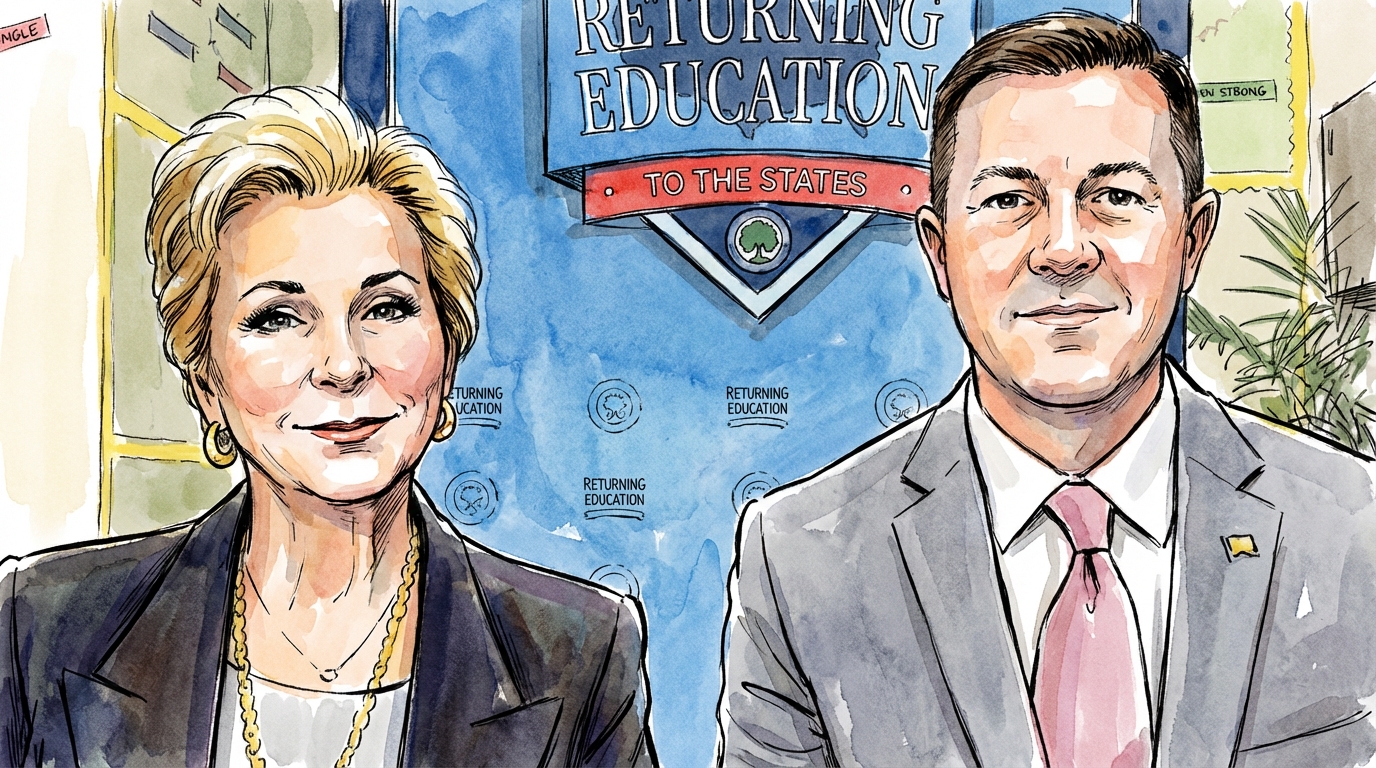
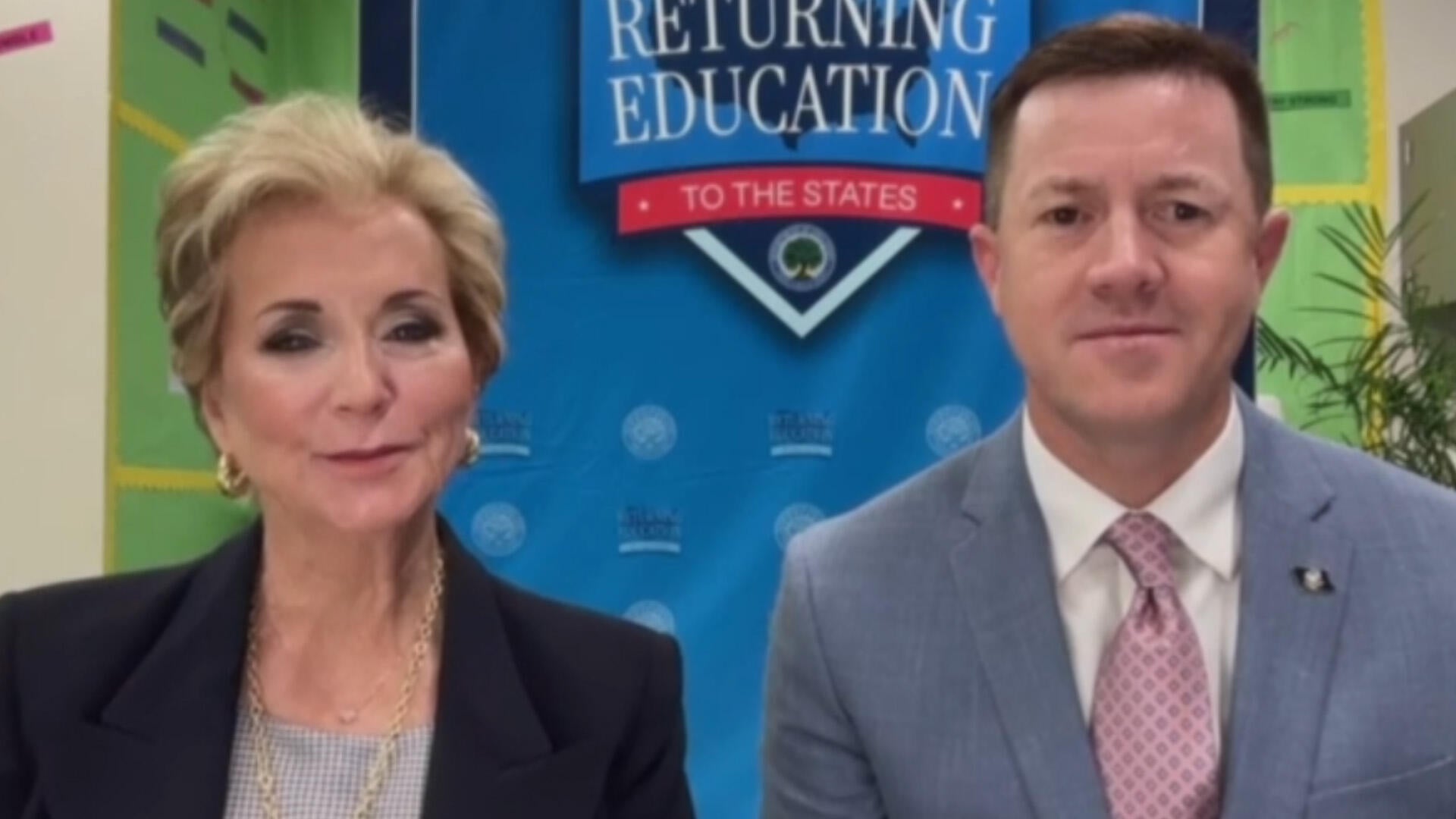
Recent moves by former education secretary Linda McMahon have sparked spirited debate about the future of the U.S. Department of Education. As McMahon embarks on what she calls the “Returning Education to the States Tour,” she aims to shift control away from the federal apparatus and back into the hands of local communities. This approach, heralded by some as a path to greater innovation in how schools manage curricula and funding, is equally seen by critics as a risky overhaul that could undermine the delicate balance of educational equity across the nation.
The current discussions reflect a broader struggle over the appropriate role of federal government in education policy. With lighting-speed changes in how states address their unique challenges, the government’s once-monolithic approach is increasingly under fire. Here, we take a closer look at these developments, consider their tangled issues, and explore the many twists and turns involved in reassigning responsibility for educational governance.
The Background: Stripping Away Federal Oversight
The initiative to dismantle key federal functions of the Department of Education was set in motion during President Trump’s administration. An executive order intended to decentralize power in education led to significant workforce cuts and called into question the federal government’s pivotal role in steering national educational policy. While this action has led to legal challenges and debates about the future of the department, supporters argue that shifting authority to states promises to spark fresh approaches tailored to local needs.
McMahon’s tour—a 50-state journey starting in Louisiana—is more than just a road show. It represents an ambitious experiment in how education might be managed if each state were given free rein to decide what works best for their unique communities. Advocates contend that each state, familiar with its local culture and demographic challenges, can find its own innovative solutions to school improvement. Opponents, however, worry that abandoning federal oversight may lead to uneven access to educational resources and increase disparities, especially for historically underserved communities.
Local Triumphs and the Role of Innovation in Education
One of the most frequently cited success stories comes from Louisiana. According to recent assessments of elementary literacy among fourth graders, Louisiana has made significant progress—rising from the bottom of the national ranking to a mid-tier position. This dramatic shift is widely attributed to effective local management and the shrewd use of pandemic relief funds. Decision-makers in Louisiana have pointed out that every state has the potential to replicate such progress if given the freedom to tailor strategies based on its own strengths and challenges.
This approach puts the spotlight on the idea that states are generally better at allocating resources in ways that customers—in this case, students and parents—can directly benefit from. When local officials are allowed sufficient latitude, they can invest in teacher training, develop curricula that resonate with local culture, and even steer funds toward programs that tackle regional issues like literacy or STEM education.
The broader implication is that while federal oversight can offer a standard framework, it might also suppress off-the-cuff creativity and adaptability. A system that hands more control to states could potentially inspire competitive improvement as states share their fine points and best practices with one another.
Analyzing the Legal and Constitutional Implications
One of the most intricate parts of this debate lies in the legal and constitutional realm. The proposed dismantling of the Department of Education isn’t just a policy exercise; it’s a legal transformation riddled with tension. Given that education-related federal funding currently accounts for significant investment in programs catering to millions of students, any change in oversight could have widespread consequences.
Critically, abolishing or dramatically reducing the role of the federal government in education would require congressional approval—a step that appears challenging in today’s politically divided environment. Democrats and other critics argue that removing the Department of Education altogether might leave countless students and families vulnerable, especially those who rely on federal programs for crucial support.
The legal battles and constitutional inquiries raised by this approach underscore that the issue isn’t merely an administrative matter; it is central to the nation’s structural approach to education. As policymakers attempt to carve out a new balance between federal authority and state autonomy, both sides of the political spectrum are tasked with weighing immediate gains against long-term repercussions.
Examining the Economic Consequences
One aspect that seldom escapes mention in these debates is the economics of education. The federal Department of Education, despite accounting for less than 4% of the federal budget in recent years, distributes funds that reach millions of students across the country. The proposed reallocation of funds from a centralized system to a decentralized one is a path filled with numerous tricky parts and hidden complexities.
From an economic perspective, the central argument in favor of devolving power to states is that local officials can figure a path for more efficient use of funds. They are believed to be in a better position to identify specific needs and allocate resources accordingly. On the flip side, critics warn that a patchwork of state-led education policies could lead to inefficiencies and disparities, particularly in states that lack robust administrative structures.
In support of the decentralization approach, several economic arguments arise:
- Local officials might be able to reduce bureaucratic overhead, thereby allowing more funds to reach classrooms.
- The competitive nature of state administrations could spur innovation, as each state strives to improve its educational outcomes.
- By removing one-size-fits-all mandates, funds could be reallocated to meet specific, locally defined needs, such as modernizing infrastructure or enhancing technology in schools.
Opposing views, however, stress that local officials might not have the same access to economic experts or experience in managing large federal outlays. As state budgets differ widely in terms of capacity and transparency, the risk of unequal implementation looms large. The fear is that some states might excel, while others lag behind, deepening already pronounced regional divides.
Political Dynamics: Bipartisan Differences and the Future of Education Policy
The political landscape surrounding education reform is as dynamic as it is contentious. The debate over federal versus state control in education has deep roots in America’s political evolution. It is a discussion loaded with issues about the distribution of power in our system of government.
For supporters of returning education authority to the states, the promise of localized knowledge and tailored problem-solving holds great appeal. They often argue that a top-down approach misses the subtle details of local educational needs and that states are better equipped to manage their own affairs. This view is encapsulated by McMahon’s statements during her tour, which emphasize the importance of community-specific approaches over rigid federal mandates.
Conversely, critics—often aligned with more traditional educational politicians and advocacy groups—remain wary of the repercussions. They caution that while states are indeed capable of managing educational programs, a completely decentralized system might fail to protect vulnerable students and families who depend on federally administered financial support. They stress that federal oversight serves as a safeguard, ensuring uniform minimum standards across the country.
As the debate continues, it is critical to recognize that both sides agree on one underlying principle: education matters. Even if opinions differ on who should manage the process, the goal remains constant—to improve the learning experiences of millions of children in a country that is continually evolving.
Implications for Special Education Programs: Maintaining Continuity Amid Change
One area that has raised considerable concern during the dismantling discussions is the fate of special education programs. The potential reallocation of responsibilities for distributing special education grants presents another set of tangled issues. Presently, the Department of Education supplements state funding with grants that support more than 7.5 million students with disabilities. With the agency’s role being streamlined, it is natural to worry whether these vulnerable groups might face funding cuts.
Linda McMahon has attempted to ease these nerve-racking concerns by assuring the public that Congress funds these special education programs directly. According to her, the flow of money has remained constant since before the creation of the Department in 1965 and should continue regardless of which agency handles it. While this assurance might be comforting to some, the transition period will be critical. Without a clear blueprint for how state and federal agencies will coordinate in the future, there is potential for confusion during the handover of responsibilities.
Legislators and education policy experts will need to work together to craft policies that ensure there is no lapse in support for special education. This will involve addressing questions such as:
- How will states manage the funds previously distributed by the federal department?
- What checks and balances need to be maintained to guarantee that every student, regardless of disability status, continues to receive regular and enhanced support?
- Could a new system of federal oversight emerge that focuses exclusively on safeguarding special education funding?
The answers to these questions are critical as they will shape the future of educational support services for millions of students. Without a coordinated effort, there is a risk that the transition could become a nerve-racking period of uncertainty for families and local school districts alike.
State Success Stories and the Promise of Localized Innovation
Louisiana’s dramatic turnaround in fourth-grade reading scores serves as a case study in how state-level decisions can yield surprising and positive outcomes. In an environment that has seen improvements despite initial setbacks following the COVID-19 pandemic, Louisiana’s educational authorities have managed to turn crisis into opportunity by effectively utilizing more than $5 billion in education-related COVID relief funds.
State education superintendents, such as Cade Brumley, argue that careful stewardship of this emergency funding highlights the potential for flexible, state-driven educational policy. By focusing on tailored approaches—like additional teacher training and outreach for struggling students—Louisiana has shown that localized decisions can achieve meaningful progress, even under limited federal guidance.
Key strategies emerging from state-level experiments include:
- Reallocating pandemic relief funds to areas of immediate need such as literacy and technology upgrades.
- Encouraging local school systems to chart their own path by adopting best practices from states that have seen success.
- Fostering close collaboration between policymakers, educators, and community stakeholders to ensure that funds are used in a manner that directly benefits students.
These examples present a mixed picture. While disruptive innovations at the state level offer promising models for reform, critics warn against using isolated instances as justification for sweeping changes. In states where local administrations lack the resources or managerial experience, similar reforms may not yield the same improvements, thereby deepening regional disparities.
The Practical Challenges of a Decentralized Education System
Shifting responsibility from a centralized federal agency to state governments isn’t as straightforward as simply sending toolkits with a list of “best practices.” In fact, the process includes numerous confusing bits, such as ensuring that each state’s implementation is robust enough to meet the collective needs of American students. An immediate challenge is establishing a clear communication channel between the federal government, state governments, and local school districts. This network must allow for the sharing of success stories while offering remedial assistance to those who struggle with the transition.
The state-by-state differences in administrative capacity can lead to a few predictable challenges:
- Some states may lack the super important infrastructure required to manage large-scale educational projects.
- There could be a disparity in how local leadership interprets and applies the flexibility offered by federal deregulation.
- In areas with historically low funding or limited governance expertise, decentralized funds might be misallocated or insufficiently monitored.
In order to address these challenges head-on, policymakers on both sides of the aisle must engage in an ongoing dialogue. By sharing insights and experiences—and even establishing a federal oversight committee focused solely on ensuring uniform standards—there is a pathway to mitigate the potential pitfalls of decentralization.
How Turning Over Control to States Could Reshape Federal and Local Relationships
The debate isn’t simply about shifting funds or passing administrative responsibilities. It’s also about redefining the relationship between state and federal agencies. One aim of the Returning Education to the States Tour is to stress that states have unique strengths, and when given the freedom to innovate, they can emerge as leaders in educational reform.
This repositioning may lead to several possible outcomes:
| Aspect | Potential Outcome of Decentralized Control |
|---|---|
| Policy Flexibility | States can adopt creative solutions that reflect local culture and economic conditions. |
| Funding Allocation | Local leaders may use federal funds more efficiently, though disparities in administrative support could widen gaps between states. |
| Standards and Oversight | A new layer of state-specific accountability mechanisms may evolve, requiring coordination with limited federal oversight. |
| Community Engagement | Greater local control might enhance community participation in school governance, driving engagement and innovation. |
It is crucial that as states step up to manage their educational policies, robust systems are put in place to measure outcomes and address any areas where progress stalls. Benchmarking these outcomes against federal standards could prove essential in ensuring that decentralization does not lead to significant disparities across various regions.
Potential Policy Scenarios and Their Impact on Future Generations
The long-term consequences of devolving educational control into the hands of individual states are as wide-ranging as they are unpredictable. When we look at the potential policy scenarios, there are a few possibilities that must be considered:
- A Successful Transition: In an ideal scenario, each state could harness its inherent strengths to craft policies that are directly suited to its students’ needs. Over time, states could share their effective approaches, creating a dynamic, cross-pollinating network of educational best practices. This model would make it easier for Americans to understand that localized decisions lead to incremental yet meaningful improvements.
- An Uneven Playing Field: Conversely, if some states lack the administrative know-how or resources, the disparities in educational quality could widen. Students in well-funded, strategically managed states might flourish, while those in less equipped regions could find themselves left behind.
- A Hybrid Approach: A more balanced mutually negotiated system could emerge in which states receive increased autonomy but still operate under a federally regulated framework that guarantees basic rights and educational standards for all students. This hybrid model might mitigate the potential for deep regional divides while still providing the off-putting freedom enough to foster innovation and local accountability.
Regardless of which scenario unfolds, the question remains: Can American education evolve to meet the rapidly shifting challenges of the 21st century under a more decentralized model? Future generations of students, educators, and policymakers will be tasked not only with managing day-to-day educational needs but also with addressing the larger societal issues that arise from rebalancing power between state and federal authorities.
Community Perspectives: What Families and Educators Really Think
Beyond policymakers and political debates, the real impact of these sweeping changes will be felt by families, educators, and local communities. Many parents appreciate the idea that states can better reflect their children’s unique needs through curricula that target local strengths. For instance, states that incorporate community history and local industry practices into their programs may give students skills that are directly applicable to their future careers.
Educators are similarly divided. Some teachers welcome the chance for more localized educational strategies, believing that a one-size-fits-all curriculum often fails to capture the fine shades of local learning styles. These educators argue that when states are given the wheel, they can tailor their approaches to better suit a local context, fostering environments where creativity and innovation can thrive.
However, many also express concern about the nerve-racking uncertainties of a transition phase. For them, the consistent support and advocacy provided by a central federal authority have long been the backbone of public education. They worry that an abrupt change in oversight without adequate safeguards might result in sudden cutbacks or inconsistencies that would hurt both students and teachers.
Key concerns among families and local educators include:
- The durability of federal grants for economically disadvantaged areas.
- The capacity of under-resourced state administrations to manage large-scale educational funds.
- The potential loss of uniform standards that ensure quality and equality in education across all states.
The call for a balanced approach is echoing across communities. There is widespread interest in ensuring that any transition preserves the essential supports that have been built over decades, while still allowing for the flexibility that local governance promises.
Learning from the Past and Charting a Course for the Future
History offers numerous lessons on the benefits and perils of centralized versus decentralized systems in education. For decades, debates have raged over the merits of national standards versus local control. The current push to return control to the states is not an isolated political whim but part of a long tradition of questioning whether a more tailored, community-centric approach might achieve better outcomes than a centralized bureaucratic system.
Looking back, we find examples where states have excelled when allowed to experiment independently. In contrast, the pitfalls of uniform policies have sometimes resulted in cramped innovation and a failure to pick up on subtle local differences.
Several fine points worth noting from historical precedents include:
- The Role of Federal Funding: Despite controlling only a small portion of the federal budget, educational grants have historically been a linchpin for ensuring that children, regardless of economic status, receive quality education.
- State-Level Success Stories: States with robust infrastructures have repeatedly demonstrated that when given the freedom to make decisions based on local needs, they can launch innovative programs that drive measurable student achievement improvements.
- Challenges of Inconsistency: However, history also reminds us that without centralized oversight, the risk of widening gaps between prosperous and underfunded regions is always present.
As we chart a course forward, it is essential for both federal and state leaders to work together to craft a system that leverages local innovation while still ensuring that all students benefit from the stability and equity a centralized approach can provide. This calls for a cooperative model—one that acknowledges the need for localized decision-making without forsaking the safety net and oversight that have long been hallmarks of American education.
Conclusion: Striking a Balance Between Innovation and Accountability
The debate over returning education control to the states is a vivid reflection of broader tensions between federal oversight and localized innovation. Linda McMahon’s tour, with its promise of best practices and tailor-made educational strategies, illuminates not only the potential for progress but also the many confusing bits and nerve-racking challenges that such a shift can produce.
For supporters, the tour is an invitation to get into a new era of education—a future in which states harness their unique strengths to design curricula and educational programs that directly address local needs. They point to success stories like Louisiana’s recent leap in fourth-grade reading scores as a beacon of hope, suggesting that with the right resources and a bit of creative problem-solving, states can figure a path toward excellence.
Critics, meanwhile, warn that decentralized control might lead to uneven outcomes, leaving behind communities that have traditionally relied on the steady hand of federal oversight. They caution that without clear safeguards and coordinated policies, the shift could inadvertently magnify existing inequalities.
At its core, the discussion is about ensuring that every child in America has access to a quality education, regardless of geographic location or socioeconomic background. Whether the solution lies in a fully decentralized model, a hybrid system, or an entirely different approach remains to be seen. What is clear, however, is that any transformation will require careful thought, continuous dialogue, and a willingness to make adjustments as the nation learns from both its successes and setbacks.
In this period of change, it is imperative for policymakers, educators, and community leaders to work hand in hand. By acknowledging the key points raised on both sides of the debate, we can aim for a balanced approach that merges innovative local ideas with the accountability and fairness that a centralized system has historically provided. Future generations will ultimately bear the weight of these decisions, making it super important that the path forged is as inclusive and forward-thinking as possible.
As the road ahead unfolds, the conversation about education in America will undoubtedly continue to be full of challenges and subtle details. Yet with concerted effort and clear-eyed focus on both the short-term needs of students and the long-term vision for our society, it is possible to craft a system where every child receives an education that prepares them not only for success in the classroom, but also for the broader twists and turns of life in a rapidly changing world.
Originally Post From https://www.cbsnews.com/news/linda-mcmahon-department-of-education-national-tour/
Read more about this topic at
Decentralisation of the education sector
Rethinking Education Governance: Insights from Chile’s …
